May 18, 2026
Essential Care Tips for Dogs With Short Snouts
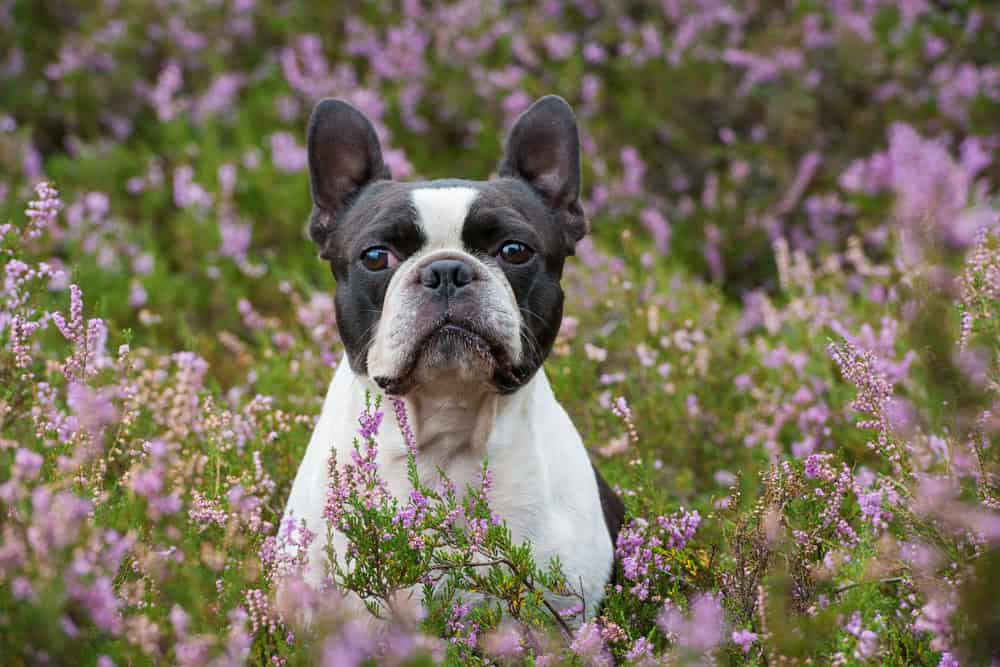
If you share your home with a Pug, French Bulldog, or Boston Terrier, you already know how charming and affectionate these pets can be. Their unique, flat-faced appearance makes them incredibly endearing to pet owners around the world. However, this distinct physical trait also means they require highly specialized attention to stay healthy and comfortable.
These pets are known as brachycephalic breeds, a term that refers to dogs with short snouts and flat faces. Because of their compact skull structure, their respiratory systems are compressed. This anatomical difference affects how they breathe, cool down, and even process physical exertion.
Caring for dogs with short snouts involves a few critical adjustments to your daily routine. By understanding their unique needs, you can prevent life-threatening complications and ensure your companion lives a long, joyful life. Gladiator K-Nine offers a comprehensive guide to keep your brachycephalic dog healthy, safe, and thriving.
How do you care for dogs with short snouts?
Dogs with short snouts, also known as brachycephalic breeds, benefit from careful heat management, proper airway support, healthy weight maintenance, and regular veterinary monitoring.
1. Temperature and Heat Management
One of the most vital aspects of caring for brachycephalic breeds is managing their exposure to heat. Dogs do not sweat like humans; they rely on panting to regulate their body temperature. Because dogs with short snouts have compromised airways, they struggle to pant efficiently.
The Dangers of Heatstroke for Brachycephalic Dogs
When a dog cannot adequately cool themselves through panting, their core body temperature can rise rapidly. This puts flat-faced breeds at a significantly higher risk for heatstroke, a potentially fatal condition. Even mild temperatures that seem comfortable to you can be dangerous for them, especially if they are exercising.
Practical Tips for Keeping Them Cool
Preventing overheating requires a proactive approach. You must adjust their physical activity and environment to ensure they remain safe.
- Avoiding peak heat hours: Keep walks strictly to the early morning or late evening during the summer months. Avoid exercising your dog when the sun is at its highest and the pavement is hot.
- Climate control indoors: Ensure their indoor environment is kept at a comfortable temperature using fans and air conditioning. Never leave your dog in a parked car, even for a few minutes, as temperatures can reach lethal levels almost instantly.
- Cooling aids: Utilize helpful tools like cooling mats, frozen treats, and wet bandanas to help them regulate their body temperature safely.
2. Airway Protection: Harness vs. Collar
Walking your dog is an essential part of their routine, but the equipment you use matters immensely for brachycephalic breeds.
The Risks of Traditional Collars
Due to their compressed respiratory systems, dogs with short snouts have very delicate airways. Pulling on a standard neck collar can easily collapse or restrict their windpipe. This restriction not only causes immediate breathing distress but can also lead to long-term tracheal damage.
Why a Harness is Essential
Always walk your dog using a well-fitting harness rather than a neck collar. A harness distributes the physical pressure across their chest and shoulders, completely alleviating harmful tension on their throat. This simple switch is one of the most effective ways to protect their respiratory health during daily activities.
3. Facial Fold Maintenance
The adorable wrinkles that define many flat-faced breeds require meticulous upkeep.
The Importance of Hygiene for Skin Folds
The deep wrinkles on their face easily trap moisture, dirt, and food particles. Because these folds are dark and warm, they become prime breeding grounds for yeast and bacterial infections if left unattended. Chronic skin infections can cause severe discomfort and require intensive veterinary treatment.
Step-by-step Cleaning Routine
To keep their skin healthy, gently clean these folds on a daily basis. Use a soft, damp cloth or a vet-approved wipe to carefully clean inside each wrinkle. The most important step is ensuring the areas are completely dried afterward. Any residual moisture will encourage bacterial growth, defeating the purpose of the cleaning.
4. Weight Management for Respiratory Health
Maintaining an optimal body condition is crucial for every dog, but it is a matter of life and death for brachycephalic breeds.
How Excess Weight Impacts Breathing
Extra weight puts massive strain on their already compromised respiratory systems. When a dog carries excess fat, the tissue in their throat can become thicker, further narrowing their airway. This makes breathing and cooling down significantly harder, magnifying the risks of heatstroke and exercise intolerance.
Tips for Maintaining an Ideal Weight
Keep your dog at an ideal, healthy weight through strict portion control and appropriate, low-impact exercise. Measure their meals accurately using a standard measuring cup and limit high-calorie treats. Consult your veterinarian to determine the exact caloric intake suitable for your specific dog’s age, size, and activity level.
5. Veterinary Care and Monitoring: Recognizing Signs of Respiratory Distress
Consistent veterinary check-ups are essential. You must remain vigilant and observe your dog’s breathing patterns closely.
Pay close attention to heavy panting, noisy snoring, or open-mouthed breathing while your dog is resting. While some snoring is common in flat-faced dogs, sudden changes in breathing sounds, blue-tinged gums, or excessive coughing are red flags that require immediate medical attention.
If your dog suffers from severe breathing difficulties, consult your vet about Brachycephalic Obstructive Airway Syndrome (BOAS). This condition encompasses several anatomical abnormalities, including elongated soft palates and narrowed nostrils. Fortunately, surgical corrections are available to open their airways, dramatically improving their quality of life and ability to breathe freely.
Give Your Dog the Comfort They Deserve
Caring for dogs with short snouts requires vigilance, particularly when it comes to heat management, airway protection, hygiene, and weight control. By making these targeted adjustments to your daily routine, you can prevent severe health complications and enjoy many happy years with your companion.
Alongside physical health, managing your dog’s stress levels is vital for their overall well-being. Respiratory distress and environmental stressors can cause significant anxiety in flat-faced breeds. To support your pet’s emotional and physical comfort, consider the Gladiator K-Nine far infrared therapy collar.
Our groundbreaking, stress-reducing, anti-anxiety dog collar takes the use of advanced ceramics to another level. Safe for all dog sizes and ages, this waterproof collar requires no power and has no side effects. It provides a new alternative to improve your dog’s quality of life while reducing costs associated with anxiety and stress.
Use the Gladiator K-Nine Collar for everyday wear to give your best fur friend the gentle reassurance they need. It is the silent guardian against the storm, ensuring your dog feels safe, relaxed, and protected. Visit Gladiator K-Nine today to learn more about our patented therapeutic products.
- Tags:
- canine,
- dogs,
- pet owner,
- short snouts,
- wellness