September 7, 2026
Quick answer: A dog’s reverse sneezing, also called paroxysmal respiration, is a harmless reflex where a dog rapidly pulls air inward through the nose instead of expelling it. Episodes are brief, typically lasting under a minute, and usually resolve on their own without any treatment.
That sudden honking, snorting sound coming from your dog can stop you in your tracks. One moment everything is fine, and the next, your dog is standing rigid with its neck outstretched, making noises that sound nothing like a normal sneeze. Alarming? Yes. Dangerous? Almost never.
A canine’s reverse sneeze is one of the most common, misunderstood reflexes in dogs. Once you know what it is and why it happens, it becomes far less frightening.
What Is Reverse Sneezing in Dogs?
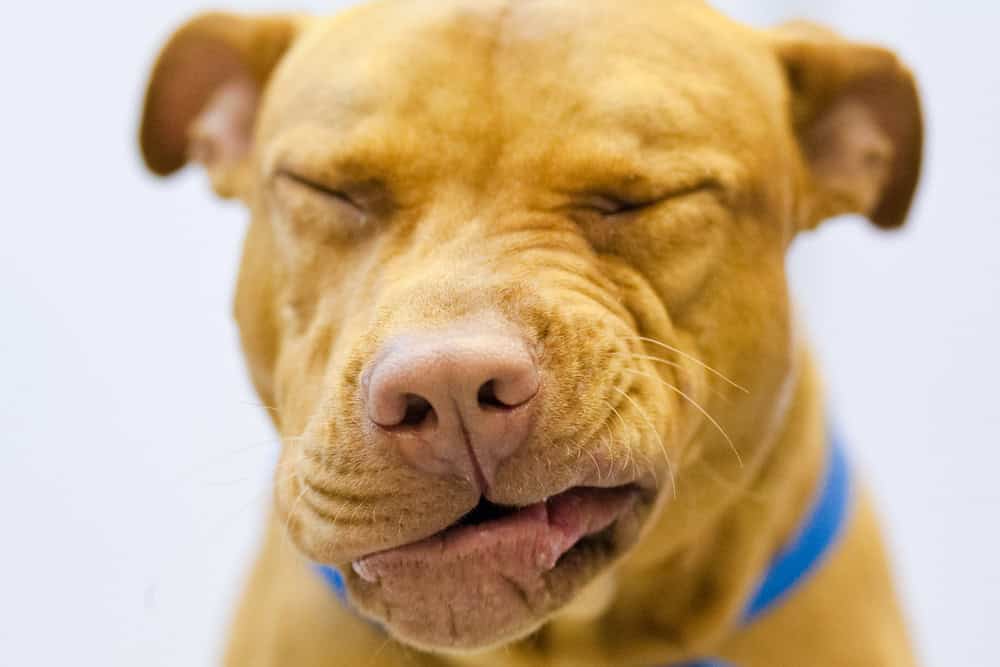
Medically known as paroxysmal respiration, a dog’s reverse sneezing occurs when a dog rapidly pulls air inward through the nose, rather than pushing it outward as in a normal sneeze. This sudden inward rush of air causes the soft palate and throat to spasm, producing that distinctive, loud snorting or honking sound.
Unlike a regular sneeze, which is quick and outward, a canine’s reverse sneeze involves repeated inward snorts that can last several seconds to just under a minute. The reflex itself is completely involuntary, and while it looks uncomfortable, dogs are not in pain during an episode.
What Does a Reverse Sneeze Look and Sound Like?
Recognizing a reverse sneezing episode makes it much easier to stay calm when one occurs. During an episode, a dog will typically:
- Stand stiffly with elbows spread apart
- Extend the head and neck outward
- Make rapid, loud snorting, honking, or gagging noises
- Appear startled or uncomfortable for anywhere from a few seconds to just under a minute
The sound is often compared to a goose honking or a pig snorting. Some owners mistake it for choking or a respiratory emergency, but the key difference is that dogs remain conscious and recover quickly without any intervention.
What Are the Common Triggers for a Dog’s Reverse Sneezing?
Several everyday factors can set off a reverse sneezing episode. Common triggers include:
- Environmental irritants, such as dust, pollen, smoke, or strong perfumes
- Physical excitement, vigorous play, or pulling hard on a leash
- Sudden temperature changes in a room
- Eating or drinking too quickly
- Mild nasal or throat irritation
Brachycephalic breeds, such as Bulldogs, Pugs, and Boxers, tend to experience reverse sneezing more frequently due to their shorter nasal passages. That said, any dog can have an episode regardless of breed or age.
How to Help Your Dog During a Reverse Sneezing Episode
Most episodes of a canine’s reverse sneeze resolve without any help. That said, there are a few simple things you can do to ease your dog through it:
- Stay calm. Your dog takes cues from you. Reacting with panic can increase your dog’s stress and prolong the episode.
- Gently stroke the neck. Soft massage along the throat area can help relax the spasming muscles.
- Briefly cover the nostrils. Covering your dog’s nostrils for just a second encourages swallowing, which helps reset the breathing pattern.
- Let the episode finish naturally. In most cases, the reflex stops on its own within a minute.
Avoid forcing anything into your dog’s mouth or restraining your dog during an episode. Keeping the environment calm and quiet is usually enough.
When to Call Your Veterinarian About Reverse Sneezing
For most dogs, occasional reverse sneezing is nothing to worry about. However, it is worth contacting your veterinarian if:
- Episodes become significantly more frequent or longer
- Your dog shows other symptoms, such as nasal discharge, coughing, or difficulty breathing
- The behavior appears suddenly in an older dog with no prior history
These signs may point to an underlying issue, such as nasal polyps, a foreign object, or a respiratory condition that warrants a closer look.
Support Your Dog’s Overall Wellness With Gladiator K-Nine
While reverse sneezing is harmless on its own, many dog owners find that keeping their dog calm, healthy, and well-supported day-to-day helps reduce stress-related triggers. If you are looking for a non-invasive way to support your dog’s behavior and overall wellness, check out the Gladiator K-Nine Far Infrared Therapy Collar. Designed to promote relaxation and support training, it is a simple addition to your dog’s daily routine. Visit Gladiator K-Nine to learn more.
Frequently Asked Questions About Reverse Sneezing in Dogs
Is a dog’s reverse sneezing dangerous?
No. Reverse sneezing in dogs is a benign reflex that resolves on its own. It is not painful and does not cause lasting harm.
How long does a reverse sneezing episode last in dogs?
Most episodes last between a few seconds and one minute. If an episode continues significantly longer, or if your dog seems distressed afterward, consult your veterinarian.
What breeds are most prone to a canine’s reverse sneeze?
Brachycephalic breeds, including Bulldogs, Pugs, Shih Tzus, and Boxers, are more prone to reverse sneezing due to their anatomy. However, any dog can experience it.
Can I prevent reverse sneezing in my dog?
You can reduce the frequency by minimizing known triggers, such as strong perfumes, dusty environments, and overexcitement. Keeping your dog’s environment clean and avoiding rapid eating can also help.
Should I take my dog to the vet for reverse sneezing?
Occasional episodes do not require a vet visit. If the episodes increase in frequency, last longer than usual, or are accompanied by other symptoms, a veterinary consultation is recommended.
- Tags:
- canine,
- Canine Wellness,
- dog,
- dog health,
- dog’s health,
- pet owner,
- pet owners,
- wellness