August 31, 2026
Quick answer: Dogs pant for reasons beyond heat, including stress, excitement, pain, medications, and underlying medical conditions. Recognizing the cause of panting helps you provide faster, better care.
Dogs pant. It’s one of the most familiar things they do, right up there with tail wagging and begging for table scraps. But when your dog is panting heavily on a cool evening or after a calm nap, it’s easy to wonder what’s going on. The answer isn’t always simple, and that’s exactly why it matters.
Panting serves multiple purposes in a dog’s body, and not all of them are related to temperature. Some causes are harmless. Others are early warning signs of something that needs attention. Gladiator K-Nine covers the most common non-heat reasons a panting dog might be trying to tell you something.
Why Do Dogs Pant When They’re Not Hot?
Dogs do not have sweat glands distributed across their skin the way humans do. Instead, they rely on rapid breathing to manage their internal state, whether that’s body temperature, emotional arousal, or physical discomfort.
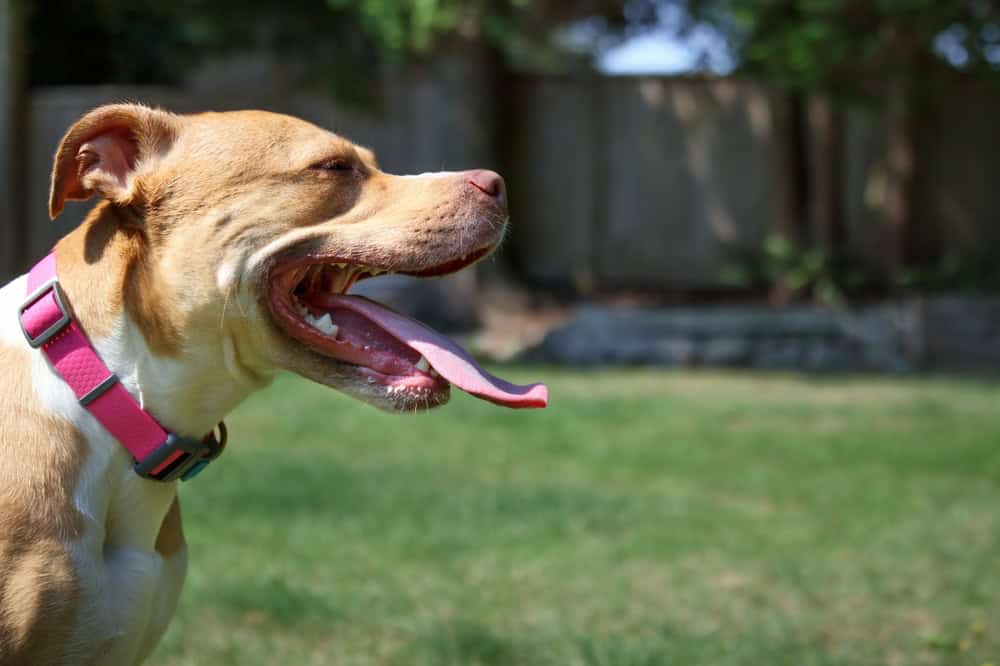
When a dog pants, air moves quickly over the tongue and through the respiratory tract, allowing moisture to evaporate and heat to escape. This same mechanism also kicks in during moments of stress, fear, pain, and excitement.
In other words, panting is a dog’s go-to response to almost anything that disrupts their baseline calm.
What Are the Most Common Non-Heat Causes of Panting in Dogs?
1. Stress and Fear
A panting dog is one of the most reliable signs of anxiety. Loud noises like thunderstorms or fireworks, unfamiliar environments, vet visits, and separation anxiety are all common triggers. The panting is a physical response to the body’s stress hormones, particularly cortisol and adrenaline, flooding the system.
2. Excitement
Not all panting signals a problem. Dogs often pant out of pure joy when you arrive home, when a favorite toy appears, or when a walk is clearly on the horizon. This kind of panting is usually short-lived and paired with other happy body language cues, such as a wagging tail and a relaxed posture.
3. Pain or Nausea
A dog that pants without an obvious cause may be in physical discomfort. Injuries, arthritis, gastrointestinal upset, and post-surgical recovery can all trigger panting as the body responds to pain signals. If the panting seems out of place and your dog is also moving stiffly, refusing food, or acting withdrawn, pain is worth considering.
4. Medications
Certain medications, particularly corticosteroids like prednisone, commonly cause increased panting as a side effect. If your dog recently started a new medication and the panting began shortly after, speak with your veterinarian. The dosage or medication type may need to be adjusted.
5. Medical Conditions
Some underlying health conditions force a dog’s body to work harder, which leads to heavier breathing. Heart disease, lung problems, anemia, and hormonal disorders like Cushing’s disease are all known to cause persistent panting. In these cases, the panting is a symptom of the body struggling to maintain normal function, not a standalone behavior.
When Should You Call Your Veterinarian About a Panting Dog?
Not every panting episode requires a vet visit, but some do. Contact your veterinarian if:
- Panting lasts more than a few minutes with no clear trigger
- Panting is accompanied by lethargy, reduced appetite, or behavioral changes
- Your dog is older or has a known health condition and suddenly begins panting heavily
- The panting is unusually loud, labored, or sounds different from normal
Early intervention makes a difference, particularly when medical conditions are involved.
How Can You Help Manage Your Dog’s Panting?
- Reduce stress triggers. If your dog reacts to loud noises or certain environments, work on gradual desensitization or speak with your vet about anxiety management options.
- Keep your dog cool and hydrated. Even if heat is not the cause, proper hydration and access to shade support your dog’s overall comfort.
- Monitor medication side effects. Keep a note of when panting started in relation to any new medications, and follow up with your vet if it worsens.
- Support your dog’s recovery with Gladiator K-Nine. The Gladiator K-Nine far infrared therapy collar is designed to support your dog’s comfort and recovery by promoting circulation and reducing discomfort at the source. Whether your dog is managing pain, recovering from surgery, or dealing with arthritis, the collar offers a non-invasive way to help them feel better. Give your dog the support they deserve. Shop the Gladiator K-Nine far infrared therapy collar today.
Panting Tells a Story Worth Paying Attention To
A panting dog is communicating something, and the context around that panting is your best clue. Stress, excitement, pain, medication side effects, and medical conditions all have distinct patterns when you know what to look for. The more closely you observe your dog’s behavior, the faster you can respond when something is off.
Panting is normal. Persistent, unexplained panting is not. Trust your instincts as a dog owner, and don’t hesitate to loop in your veterinarian when something feels out of the ordinary.
Frequently Asked Questions
Why does my dog pant at night when it is not hot?
Nighttime panting in dogs is often linked to anxiety, pain, or cognitive dysfunction, especially in older dogs. Conditions like Cushing’s disease and heart disease can also cause nighttime restlessness and heavy breathing. If it happens regularly, a vet evaluation is a good next step.
Is a panting dog always in distress?
No. Panting from excitement or after physical activity is completely normal. The concern arises when panting is excessive, prolonged, or paired with symptoms like lethargy, loss of appetite, or unusual behavior.
What is the difference between normal panting and abnormal panting in dogs?
Normal panting is typically rhythmic, short-lived, and linked to an obvious cause like play or mild excitement. Abnormal panting tends to be louder, more labored, out of context, or difficult to settle. If you are unsure, it is always better to check with your vet.
Can anxiety cause a dog to pant excessively?
Yes. Anxiety is one of the most common non-heat causes of panting in dogs. Separation anxiety, noise phobias, and general stress can all trigger the same physiological response that heat does, rapid breathing included.
How does the Gladiator K-Nine far infrared therapy collar help a panting dog?
The Gladiator K-Nine far infrared therapy collar supports dogs managing pain, inflammation, or discomfort by promoting circulation and aiding recovery. For dogs whose panting is linked to physical discomfort or post-surgical healing, the collar offers a drug-free, non-invasive support option.
- Tags:
- canine,
- Canine Anxiety,
- dog anxiety,
- dog health,
- dogs,
- health,
- pet owner,
- signs of stress