September 14, 2026
Why Do Dogs Have Whiskers? The Science Behind Vibrissae
Quick answer: Dogs have whiskers to act as sensitive radar and touch tools. These specialized hairs, called vibrissae, help dogs navigate, feel their surroundings, protect their faces, and even communicate their mood. Whisker use goes far beyond simple decoration.
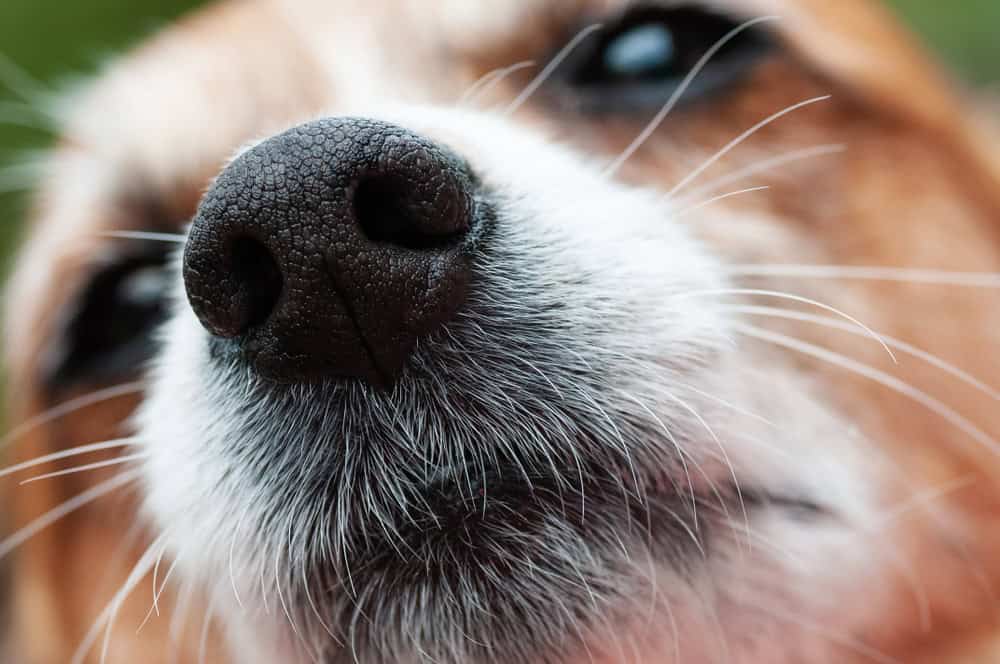
Your dog relies on more than just their eyes and nose to make sense of the world. Look closely at their face, and you’ll spot those stiff, prominent hairs sprouting from the muzzle, above the eyes, and along the cheeks. These are whiskers, and they play a surprisingly important role in your dog’s daily life.
Whiskers, known scientifically as vibrissae, are far more than ordinary fur. They function as finely tuned sensors that feed a constant stream of information to the brain. Understanding how they work can change the way you see your dog’s abilities, and it explains why you should never trim them.
Gladiator K-Nine breaks down how dog whiskers work, the many ways your dog uses them, and what every owner should know to keep them healthy.
How Do Dog Whiskers Actually Work?
Dog whiskers may look like regular hair, but their structure tells a different story. Three features set them apart.
Extra Thick Hairs
Vibrissae are stiffer and thicker than normal fur. This rigidity allows them to pick up and transmit even the smallest touch or movement, rather than bending limply like a strand of coat hair.
Deep Roots
Whiskers sit much deeper in the skin than regular hairs. At the base of each whisker, a rich cluster of nerve endings waits to receive signals. This deep connection is what makes whiskers so responsive.
Vibration Sensors
When air movements or light touches bend a whisker, the movement triggers those nerve endings to send rapid signals to the brain. In effect, your dog “feels” changes in the environment before making physical contact with anything.
What Are the Main Uses for Dog Whiskers?
Whisker use spans everything from finding food to expressing emotion. Here are the five biggest jobs whiskers perform.
1. Better Near Vision
Dogs do not see objects clearly right in front of their noses. Whiskers help fill that gap by letting them “see” food, water bowls, and toys up close. Next time your dog nudges their bowl before eating, their whiskers are helping guide the way.
2. Dark Navigation
Whiskers detect subtle changes in air currents. In low light or total darkness, this helps dogs sense nearby walls and obstacles so they can avoid bumping into them.
3. Eye Protection
The whiskers above a dog’s eyes act like a natural alarm system. They catch dust and trigger a quick, protective blink whenever a stray object comes too close, shielding the eyes from harm.
4. Measuring Space
Because whiskers stick out near the sides of the face, they help a dog judge whether they can fit through a tight gap. Think of them as a built-in measuring tool for squeezing under fences or through doorways.
5. Showing Moods
Dogs move their whiskers to communicate. Subtle shifts in whisker position can signal whether your dog feels playful, scared, or angry, giving you another clue about how they’re feeling.
Why Should Dog Owners Care About Whiskers?
Knowing how whiskers function helps you appreciate just how rich your dog’s sensory world really is. That appreciation comes with a few practical responsibilities.
First, never trim or remove your dog’s whiskers. Cutting them disrupts your dog’s natural navigation, spatial awareness, and eye protection, leaving them disoriented and more vulnerable to bumps and injuries.
Second, remember that whisker sensitivity depends on your dog’s overall health. A calm, healthy, low-stress dog is better able to use their senses fully. Supporting your dog’s physical and emotional well-being helps keep every one of their sensory tools working as it should.
Respect the Radar on Your Dog’s Face
Whiskers are vital sensory tools that help dogs navigate, protect their eyes, measure space, and express how they feel. They deserve the same care and respect as any other part of your dog’s body.
Take a moment to watch your dog’s whiskers in action, whether they’re sniffing out a treat or padding through a dark hallway. You’ll gain a new appreciation for how they experience the world.
If you want to support your dog’s comfort and well-being from head to tail, explore Gladiator K-Nine’s far infrared therapy collar. It uses patented SemiCera® technology to ease stress and help your dog feel calm, comfortable, and ready to make the most of their remarkable senses.
Frequently Asked Questions About Dog Whiskers
Is It Safe to Cut a Dog’s Whiskers?
No. Trimming or removing whiskers takes away key sensory information your dog relies on for navigation, spatial awareness, and eye protection. Always leave whiskers intact, even during grooming.
Do Dog Whiskers Grow Back After Being Cut?
Yes, whiskers typically grow back over time since they are still hairs. However, while they are missing, your dog loses important sensory feedback, so it’s best never to cut them in the first place.
Where Are Whiskers Located on a Dog?
Dogs have whiskers on the muzzle, above the eyes, and along the sides of the face. Each location supports a specific function, from measuring gaps to triggering protective blinks.
Do All Dogs Have Whiskers?
Yes, all dogs are born with whiskers. The number and length can vary between breeds, but every dog uses vibrissae as part of their natural sensory system.