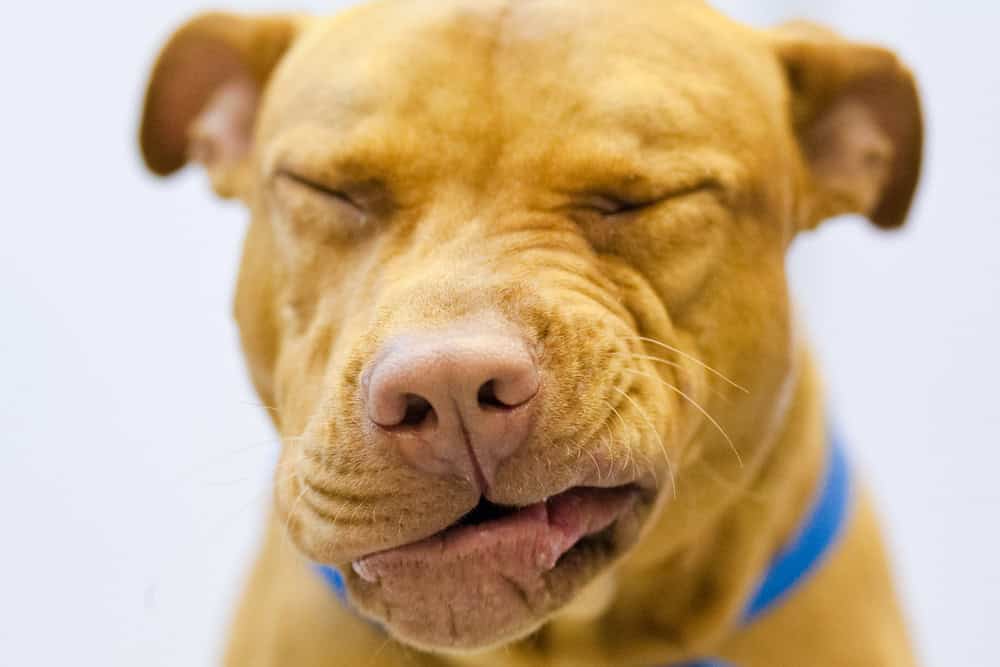
What Is Reverse Sneezing in Dogs?
Quick answer: A dog's reverse sneezing, also called paroxysmal respiration, is a harmless reflex where a dog rapidly pulls air inward through the nose instead of expelling it. Episodes are...
Read More

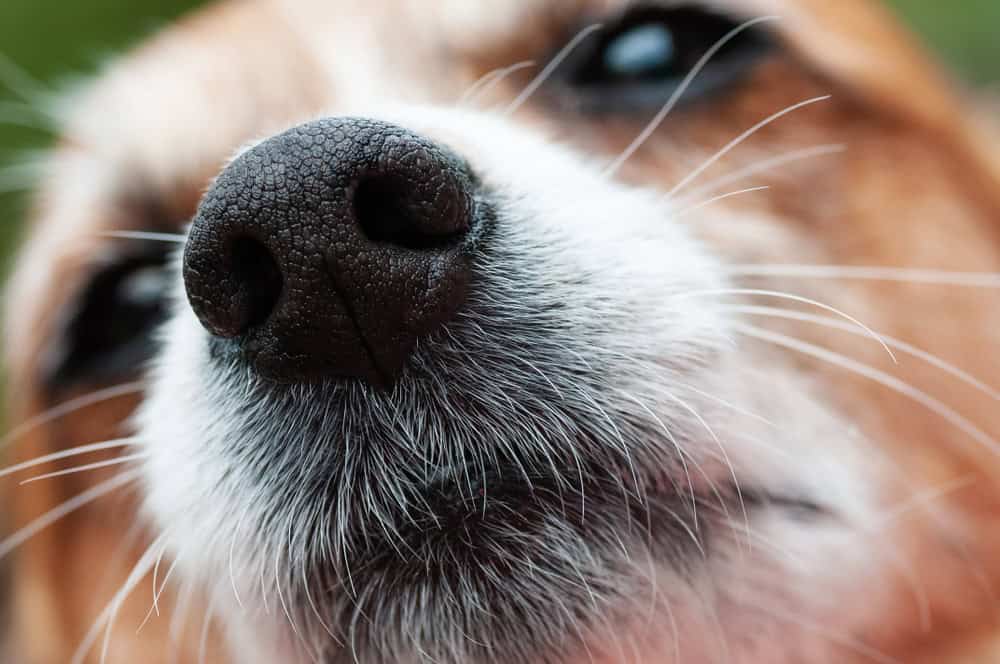
Why Do Dogs Have Whiskers? The Science Behind Vibrissae Quick answer: Dogs have whiskers to act as sensitive radar and touch tools. These specialized hairs, called vibrissae, help dogs navigate, feel their surroundings, protect their faces, and even...
Quick answer: A dog's reverse sneezing, also called paroxysmal respiration, is a harmless reflex where a dog rapidly pulls air inward through the nose instead of expelling it. Episodes are...
Read More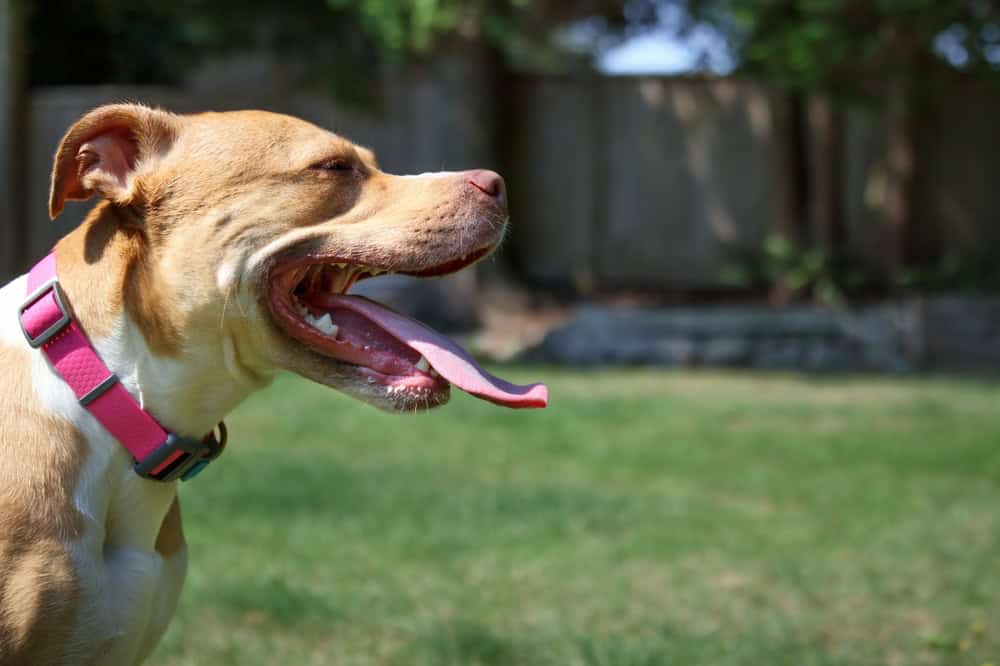
Quick answer: Dogs pant for reasons beyond heat, including stress, excitement, pain, medications, and underlying medical conditions. Recognizing the cause of panting helps you provide faster, better care. Dogs pant....
Read More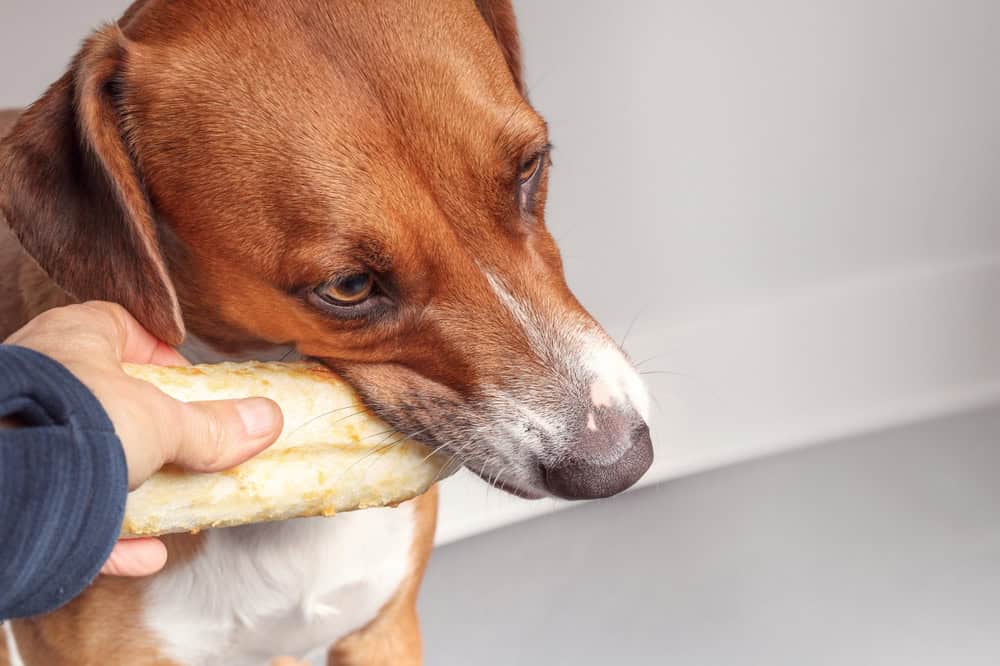
Quick answer: Resource guarding is a natural dog behavior where a dog protects valued items, such as food, toys, beds, or people, from being taken away. It ranges from subtle...
Read More
Quick answer: Your dog is not barking at nothing. Dogs possess far sharper senses than humans, allowing them to detect high-pitched sounds, faint scents, and subtle movements that are completely...
Read More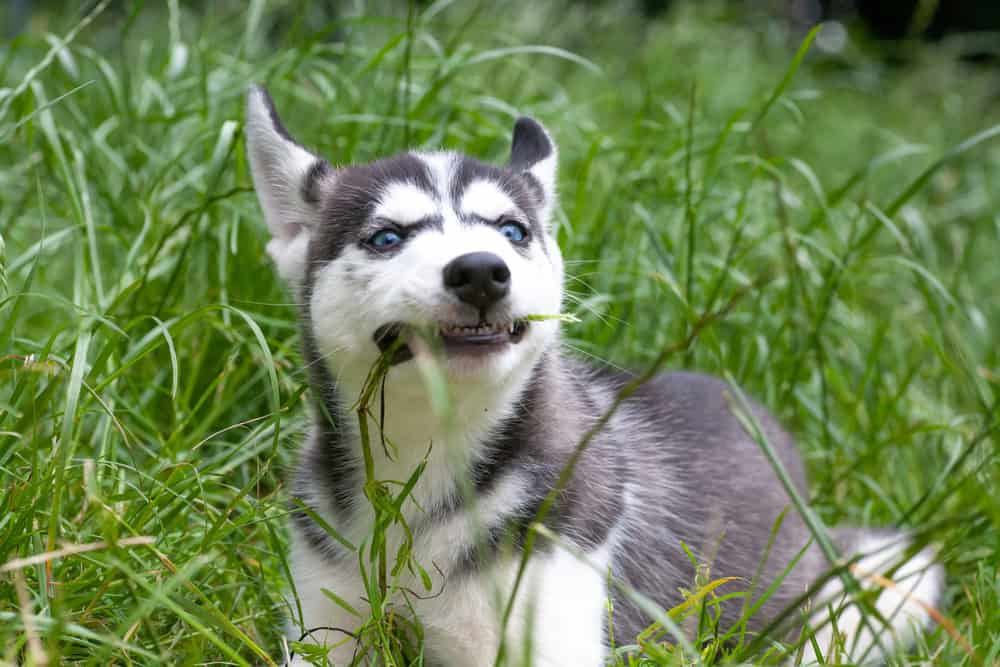
Why Do Dogs Eat Grass? What Pet Owners Need to Know Quick answer: Dogs eat grass for several normal reasons, including instinct, enjoyment of the taste and texture, boredom, or...
Read More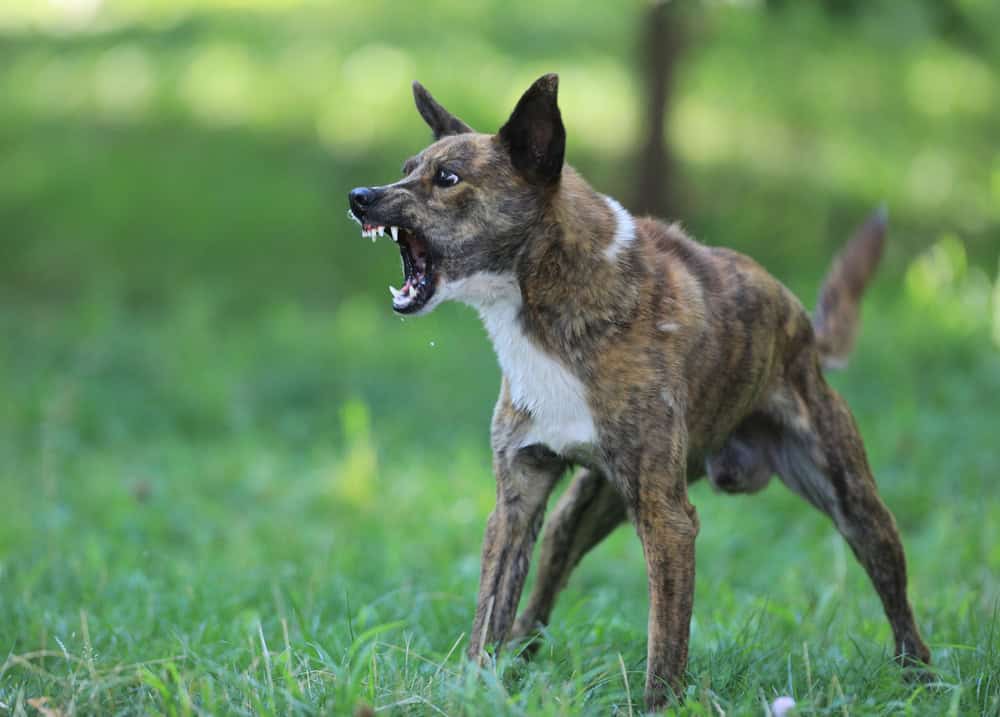
Prey Drive vs. Aggression in Dogs: What's the Difference? Quick answer: A dog's prey drive is a natural hunting instinct triggered by movement. A dog's aggression stems from fear, stress,...
Read More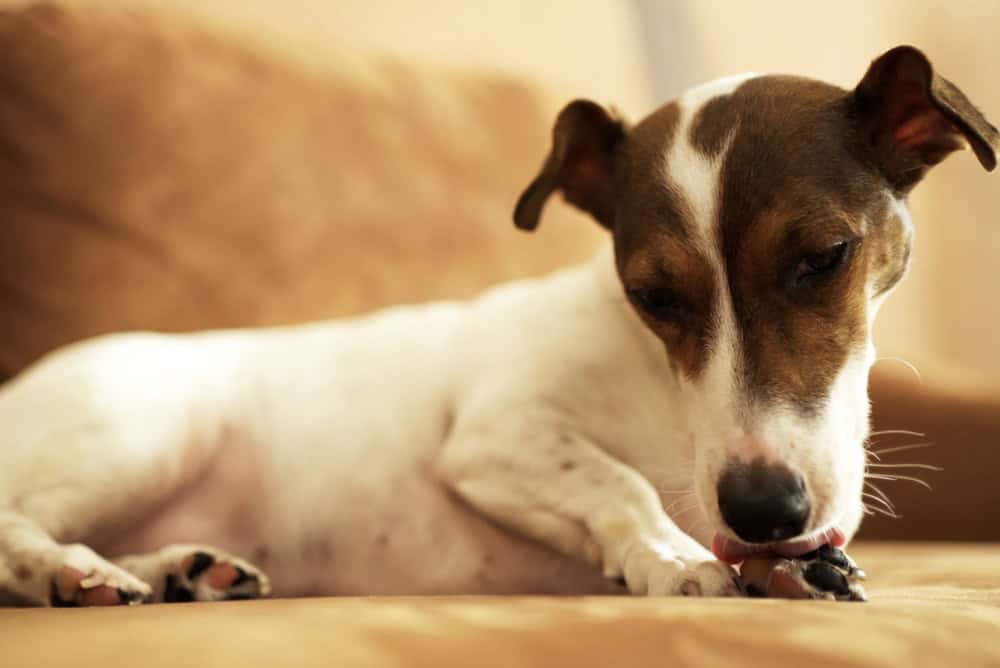
Why Do Dogs Lick Their Paws? Causes & Solutions Quick answer: Dogs lick their paws for many reasons, including grooming, allergies, pain, infections, parasites, and anxiety. While occasional licking is...
Read More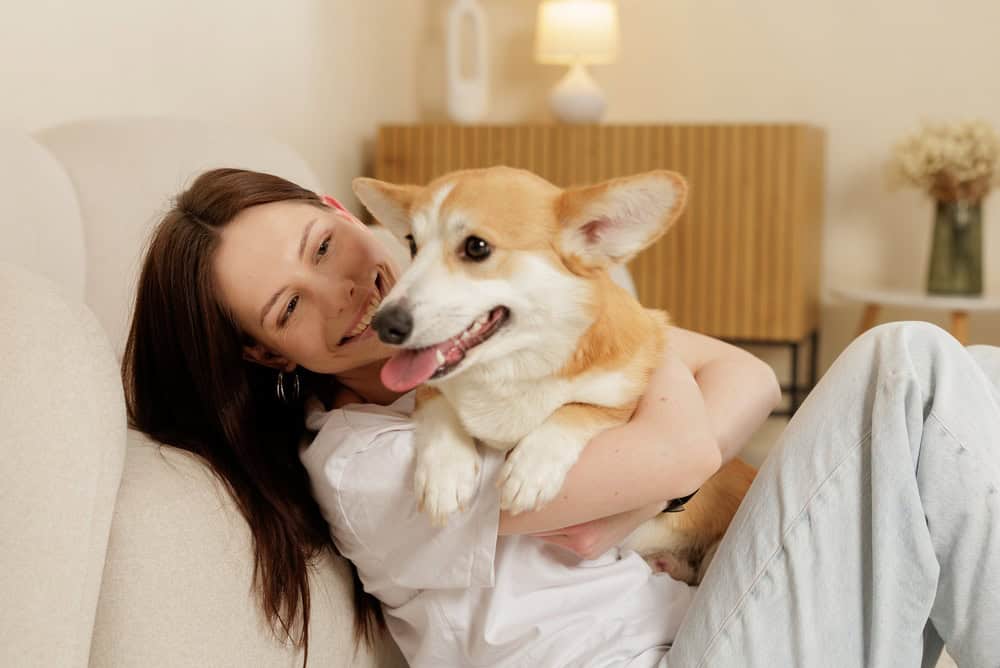
How to Build a Strong Bond with Your Dog TL;DR: Building a strong bond with your dog comes down to consistent communication, trust, and quality time. The most effective methods...
Read More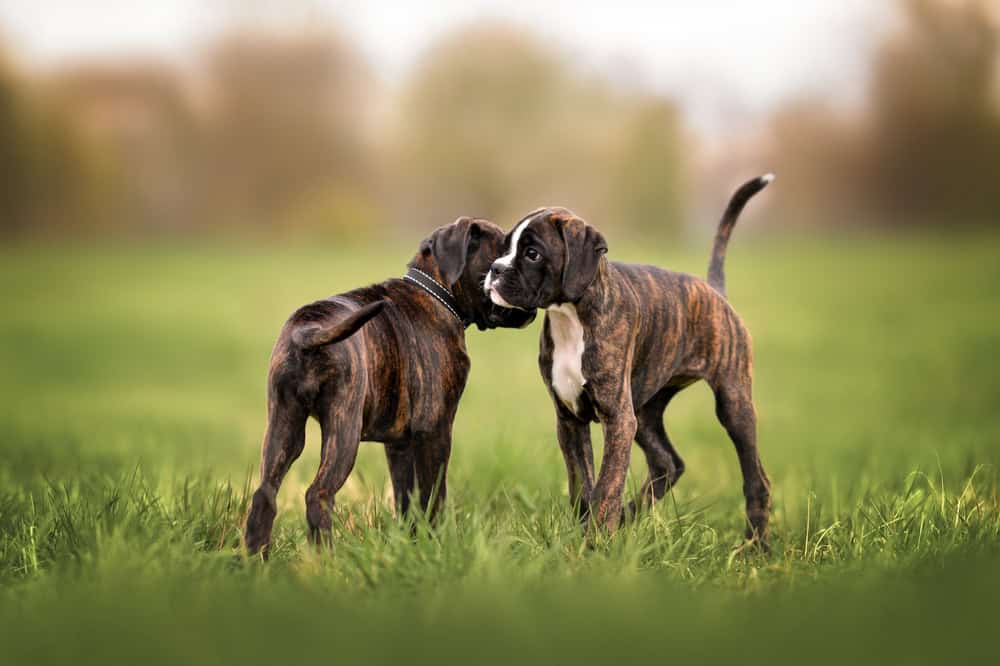
The Best Ways to Socialize Your Puppy for a Happy Life Quick answer: The best ways to socialize your puppy involve controlled, positive exposure during their critical window (8–16 weeks)....
Read More
You are being redirected to the parent company of Gladiator K-NINE, Gladiator Therapeutics™ to access more resources in regard to our superior technology and the story behind it.
To continue on your journey, click ok. To stay on the page, hit close. Thank you!