July 14, 2026
The Best Ways to Socialize Your Puppy for a Happy Life
Quick answer: The best ways to socialize your puppy involve controlled, positive exposure during their critical window (8–16 weeks). Carry them to public spaces, introduce them to diverse people and surfaces, arrange playdates with vaccinated dogs, and practice routine handling — all paired with high-value treats and calm reinforcement.
Every confident, well-adjusted dog started as a puppy who was introduced to the world the right way. Socialization during your puppy’s early weeks isn’t just helpful — it’s foundational. The habits and associations formed now will shape how your dog responds to strangers, new environments, and unexpected situations for the rest of their life.
The Critical Window for Puppy Socialization
Between 8 and 16 weeks, your puppy’s brain is primed to absorb new experiences. This is the critical socialization window — and what happens during this period has a lasting impact on their temperament and confidence. Puppies exposed to a variety of sights, sounds, surfaces, and social situations during this time are far more likely to grow into calm, adaptable adult dogs.
The goal isn’t to overwhelm your puppy with stimulation — it’s to build positive associations gradually. Reward calm, neutral behavior with high-value treats rather than forcing intense interactions. Let your puppy set the pace, and always end each experience on a good note.
Safely Expose Them to the World
Because the critical socialization window falls before puppies are fully vaccinated at 16 weeks, dog parks and high-traffic areas where unknown dogs roam are off-limits for now. Fortunately, there are plenty of safe ways to socialize your puppy during this time.
1. Carry or Use Carts
Take your puppy in a tote bag or place a towel in a shopping cart and visit dog-friendly retailers like Home Depot or Lowe’s. These environments expose your puppy to machinery, crowds, and unfamiliar sights — all from a safe distance.
2. Observe from a Distance
Find a bench at a local park or sit outside a playground. Let your puppy watch kids playing, skateboards rolling by, and traffic passing while you feed them treats. Over time, your puppy begins to associate new and potentially startling stimuli with something positive.
3. Master New Surfaces
Encourage your puppy to walk on grating, gravel, grass, carpet, wood, and even shallow sand. Each new texture builds body awareness and confidence — skills that pay off during vet visits, grooming sessions, and everyday adventures.
Manage Interactions with People & Pets
4. People Encounters
Socialization doesn’t mean your puppy needs to greet every person they see. Focus on quality, not quantity. Introduce your puppy to a variety of individuals — people wearing hats, sunglasses, or beards — and keep greetings short. Teach strangers to toss a treat to the floor rather than crowding or looming over your puppy, which can feel threatening to a small dog.
5. Dog Playdates
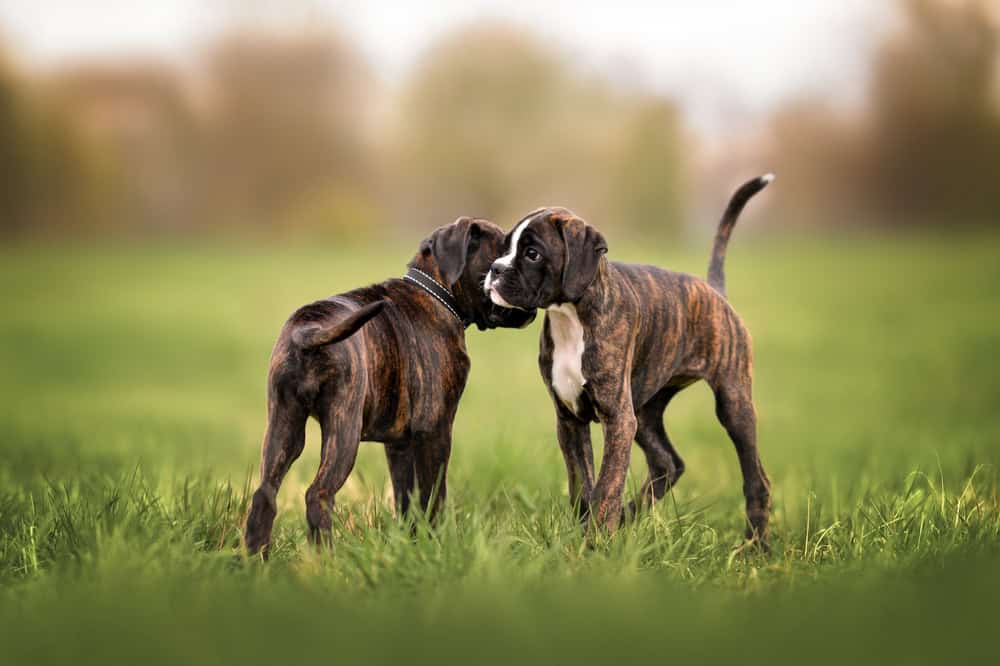
When it comes to other dogs, choose carefully. Only arrange playdates with fully vaccinated, well-mannered adult dogs known to be gentle with puppies. A single frightening interaction with a reactive or rough dog can set back your puppy’s confidence significantly.
Practice Handling for Future Comfort
6. Routine Handling
One of the most overlooked aspects of early socialization is getting your puppy comfortable with being touched and restrained. Regularly handle their paws, check their ears, lift their tail, and run your fingers along their gums. Pair every session with treats and praise.
Puppies who are comfortable with handling grow into dogs who tolerate vet exams and grooming without stress — making life easier for everyone.
Support Your Puppy’s Wellbeing with Gladiator K-Nine’s Far Infrared Therapy Collar
Socialization takes consistency, patience, and a little creativity. But the investment pays off for the entirety of your dog’s life. A puppy that learns early to approach the world with curiosity rather than fear becomes a dog who’s a joy to take anywhere.
As your puppy grows and becomes more active, their recovery and comfort matter just as much as their training. Gladiator K-Nine’s Far Infrared Therapy Collar is designed to support your dog’s overall wellbeing — helping to promote circulation and comfort from the inside out. Give your pup the best start in life, inside and out.
Frequently Asked Questions
When should I start socializing my puppy?
Start as soon as your puppy comes home, typically around 8 weeks. The critical socialization window runs from 8 to 16 weeks, so early, consistent exposure during this period has the greatest impact on long-term temperament.
Can I socialize my puppy before they’re fully vaccinated?
Yes, with precautions. Avoid dog parks or areas frequented by unknown dogs. Instead, carry your puppy in a tote bag, use shopping carts in pet-friendly stores, or visit the homes of vaccinated, healthy dogs.
How do I socialize a puppy with people correctly?
Keep greetings brief and calm. Introduce your puppy to people of different appearances (hats, beards, sunglasses) and ask strangers to toss a treat on the floor rather than reaching over your puppy’s head, which can be intimidating.
What if my puppy seems scared during socialization?
Never force your puppy into a situation that frightens them. Instead, create distance from the trigger and reward any calm behavior. Gradual, positive exposure is far more effective than pushing through fear.
Why is handling practice important for puppies?
Regular handling — touching paws, ears, and gums — prepares puppies for vet exams and grooming. Puppies who are comfortable being handled are significantly less stressed during these routine procedures than adult dogs.
- Tags:
- dog owners,
- pet owners,
- puppies,
- socialization