April 7, 2026
Common Canine Health Issues and How to Prevent Them
As a devoted dog owner, you keep your furry companion healthy and happy as your top priority. Dogs bring immense joy to our lives, but they are also susceptible to a variety of medical conditions. Recognizing the signs early and taking proactive measures can significantly improve your dog’s quality of life. At Gladiator K-Nine, we believe that education and preparation are the most effective tools for maintaining your pet’s well-being.
Understanding common canine health issues allows you to act quickly when symptoms arise. Many severe conditions begin with subtle changes in behavior, appetite, or energy levels. When you know what to look for, you can consult your veterinarian before a minor problem escalates into a major crisis.
This guide outlines the most frequent health challenges dogs face and provides actionable advice to help you prevent canine health issues. By implementing these preventative strategies, you can ensure your dog remains active, comfortable, and resilient for years to come.
Understanding Common Canine Health Issues
Dogs of all breeds and ages can develop health problems. However, many of these conditions are highly preventable with routine care and attentive ownership.
1. Obesity: Risks of Diabetes and Heart Disease
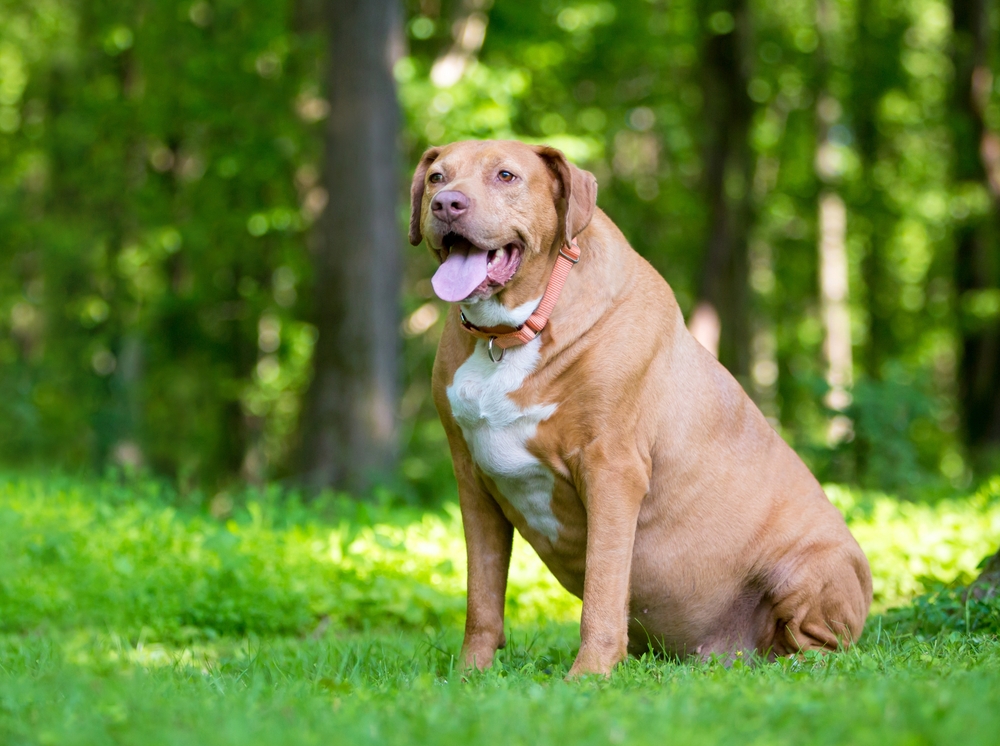
Obesity is a widespread problem that severely impacts a dog’s health and longevity. Carrying excess weight places immense stress on a dog’s joints, leading to arthritis and decreased mobility. Furthermore, obese dogs face a significantly higher risk of developing severe metabolic conditions like diabetes and heart disease.
To prevent obesity, you must strictly manage your dog’s diet. Ensure they receive a balanced, high-quality food appropriate for their age and breed size. Control portion sizes accurately using a measuring cup, and avoid the temptation to give excessive treats or table scraps. Combine a strict diet with daily, vigorous exercise to keep your dog at an optimal weight.
2. Dental Disease: More Than Just Bad Breath
Many owners dismiss bad breath as a normal part of owning a dog. In reality, it is often the first indicator of periodontal disease. Plaque and tartar buildup cause painful gum infections and tooth decay. If left untreated, the bacteria from these oral infections can enter the bloodstream and cause irreversible damage to internal organs, including the heart and kidneys.
Preventing dental disease requires a consistent oral hygiene routine. Brush your dog’s teeth regularly using a toothpaste specifically formulated for pets. You can also provide veterinarian-approved dental chews to help reduce plaque buildup.
Most importantly, schedule annual professional dental cleanings with your veterinarian to thoroughly remove stubborn tartar.
3. Parasite Prevention: Combatting Fleas, Ticks, and Worms
External and internal parasites pose a constant threat to dogs. Fleas and ticks cause intense itching, skin infections, and allergic reactions. Ticks are particularly dangerous because they transmit severe illnesses such as Lyme disease. Internal parasites, such as tapeworms and heartworms, can cause anemia, weight loss, and potentially fatal organ failure.
You can successfully prevent canine health issues related to parasites by administering year-round, veterinarian-recommended preventative medications. These come in various forms, including topical treatments and oral chews.
Additionally, always thoroughly inspect your dog’s coat for ticks after walking through wooded areas or tall grass.
4. Infectious Diseases: The Vital Role of Vaccinations
Infectious diseases like rabies, parvovirus, distemper, and kennel cough are highly contagious and frequently fatal. These viruses spread rapidly in areas where dogs congregate, such as dog parks, boarding facilities, and grooming salons.
The most effective way to protect your dog from these severe illnesses is through a strict vaccination schedule. Ensure your dog receives all core vaccines as a puppy and maintain their booster shots throughout their life. If your dog is unvaccinated or immune-compromised, limit their exposure to unknown or sick animals.
5. Ear Infections and Skin Allergies: Maintenance and Care
Ear infections are incredibly common, particularly in breeds with heavy, floppy ears that trap moisture. These infections cause intense discomfort, leading to relentless scratching and head shaking. Similarly, skin allergies triggered by environmental factors or food can result in hot spots, hair loss, and chronic itching.
To prevent ear infections, clean your dog’s ears regularly using a vet-approved solution, especially after swimming or bathing. Monitor the ears for signs of redness, swelling, or foul odors.
For skin allergies, maintain a regular grooming schedule to remove irritants from the coat. If your dog exhibits signs of an allergy, work closely with your veterinarian to conduct allergy testing and identify the underlying cause.
General Preventative Strategies
Beyond addressing specific conditions, maintaining a holistic approach to your dog’s health is essential for long-term vitality.
The Necessity of Regular Wellness Exams
Routine veterinary visits are the cornerstone of preventative care. Scheduling yearly or twice-yearly wellness exams allows your veterinarian to establish a baseline for your dog’s health. During these visits, vets can detect early warning signs of illness that may not be visible to the untrained eye. Early detection often leads to more effective and less invasive treatment options.
Environmental Hygiene and Nutrition Tips
A clean living environment directly impacts your dog’s health. Regularly wash your dog’s bedding, vacuum carpets, and sanitize their food and water bowls to reduce the buildup of bacteria and parasites.
Combine a clean environment with a highly nutritious diet tailored to your dog’s specific biological needs. Proper nutrition strengthens the immune system, making your dog more resilient against common ailments.
Featured Solution: Improving Recovery and Calmness
Even with the best preventative care, dogs occasionally face injuries, stress, or the natural wear and tear of aging. When your dog needs extra support, advanced therapeutic tools can make a significant difference in their recovery and daily comfort.
At Gladiator K-Nine, we highly recommend utilizing the Gladiator K-Nine Far Infrared Dog Collar. This innovative collar utilizes far-infrared technology to gently penetrate the tissue, promoting increased blood circulation and cellular repair.
It is highly effective in helping your dog stay calm during stressful situations and drastically improves the healing process for muscle strains and joint stiffness. Equip your dog with the Gladiator K-Nine Far Infrared Dog Collar to provide them with continuous, non-invasive therapeutic support.
- Tags:
- dog,
- health,
- hygiene,
- knine,
- nurtrition