May 11, 2026
Canine Exercise: How Much Activity Does Your Dog Need?
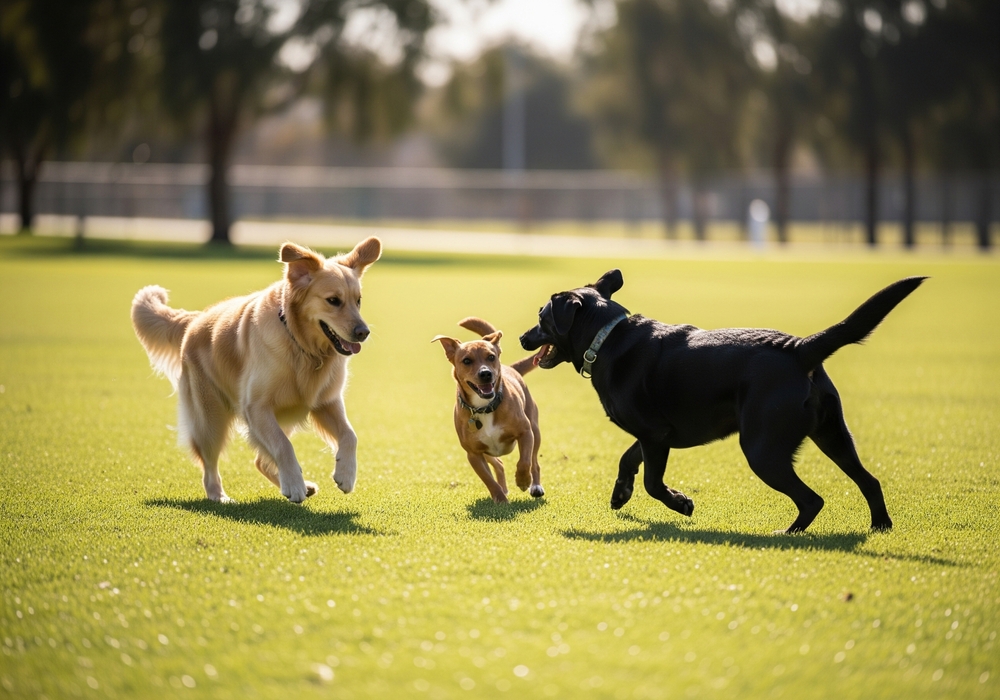
A tired dog is a good dog, or so the old saying goes. But ensuring your furry companion gets the right amount of physical activity goes far beyond just burning off extra energy. Proper canine exercise is fundamental to your dog’s cardiovascular health, joint mobility, and overall happiness.
Here at Gladiator K-Nine, we understand that getting your dog exercise isn’t a one-size-fits-all endeavor. Every dog has unique requirements based on their age, breed, and physical condition. Pushing a senior dog too hard can cause injury, while under-exercising a working breed often leads to destructive behaviors at home. Understanding your dog’s specific needs is the first step toward building a healthy, sustainable routine.
General Exercise Guidelines
As a general rule, most dogs need between 30 minutes and two hours of daily exercise. This broad range exists because canine activity levels vary significantly. A young, healthy Border Collie will thrive on miles of running, while a senior Pug might be perfectly content with a short stroll around the block. The key is to observe your dog’s behavior and adjust their routine accordingly.
How much exercise does a dog need each day?
Most dogs need between 30 minutes and two hours of daily exercise depending on their breed, age, energy level, and overall health.
Key Factors Influencing Exercise Needs
To build the perfect exercise plan, you must account for a few crucial variables that dictate your dog’s physical capabilities.
1. Age Matters
A dog’s age drastically changes how they should move. Puppies possess boundless energy, but their bones and joints are still developing. They require shorter, more frequent play sessions to prevent long-term orthopedic issues.
Healthy adults usually need consistent, daily routines that challenge their stamina. Seniors, on the other hand, benefit from gentle, 30-minute walks to maintain mobility without overtaxing their aging joints.
2. Breed and Energy Level
Genetics play a massive role in your dog’s stamina. High-energy, working, and herding breeds require vigorous, heart-pumping activity to stay satisfied. Conversely, low-energy or toy breeds might only need light activity to stay fit.
3. Health Conditions
Pre-existing medical issues require careful management. Dogs suffering from conditions like hip dysplasia, arthritis, or heart disease need tailored, controlled exercise plans.
Low-impact activities, such as swimming or slow walking, keep them active without exacerbating their symptoms. Always consult your veterinarian before starting a new exercise regimen for a dog with health concerns.
4. Mental Stimulation
Physical exhaustion is only half the battle. Canine exercise should also include a mental workout. Incorporating scent work, obedience training, and puzzle toys helps keep intelligent breeds mentally satisfied and prevents boredom.
Exercise Examples by Dog Type
While individual needs vary, here is a quick breakdown of daily exercise recommendations by dog type:
- Small/Toy Breeds: 30 to 60 minutes per day.
- Medium Breeds: 1 to 2 hours per day.
- Large/Working Breeds: 2 or more hours per day.
- High-Energy Breeds (e.g., Border Collies, Huskies): 60 to 90+ minutes of intense, vigorous activity.
How to Provide Effective Exercise
Getting your dog exercise doesn’t just mean opening the back door and letting them run. Structured activities yield the best physical and mental results.
- Structured Walks: A 30-minute walk incorporating training commands like “heel” or “sit” provides excellent mental and physical engagement.
- Interactive Play: Games like fetch, tug-of-war, or frisbee build agility and strengthen the bond between you and your pet.
- Outdoor Activities: Hiking, swimming, or jogging alongside your dog are fantastic ways to burn high amounts of energy for active breeds.
Prioritizing Recovery and Well-being
Physical activity takes a toll on your dog’s muscles and joints. Proper recovery is just as important as the workout itself. Ensuring your dog has a comfortable place to rest, plenty of water, and proper nutritional support helps their body repair and grow stronger.
Recognizing the signs of fatigue — like excessive panting or lagging on a walk — will help you prevent overexertion and keep playtime safe.
Keep Your Best Friend Moving Comfortably
Regular canine exercise is a cornerstone of a long, joyful life for your pet. By customizing their activity to match their age, breed, and health, you ensure they stay fit without risking injury.
Recovery is the final piece of the puzzle. To help soothe tired muscles and support joint health after a long day of play, check out Gladiator K-Nine’s far infrared therapy collar. Designed to promote circulation and aid in natural healing, it is the perfect recovery tool for active dogs. Give your dog the gift of optimal health and comfort today!
- Tags:
- amount,
- canine health,
- dogs,
- exercise,
- pet owners