August 3, 2026
Prey Drive vs. Aggression in Dogs: What’s the Difference?
Quick answer: A dog’s prey drive is a natural hunting instinct triggered by movement. A dog’s aggression stems from fear, stress, or resource protection. Both behaviors can lead to dangerous outcomes, but they require different management strategies. Understanding the difference helps dog owners respond appropriately and build a safer relationship with their dog.
Most dog owners have seen it: a dog lunging at a squirrel, fixating on a passing cyclist, or snapping at another animal without warning. These moments are unsettling, and many owners assume their dog is “aggressive.” But that’s not always the case. A dog’s prey drive and a dog’s aggression are two very different things, and confusing them can lead to the wrong response.
Gladiator K-Nine will tell you what you need to know.
What Is a Dog’s Prey Drive?
Prey drive is a natural, instinctual behavior. It’s the sequence of actions a dog uses to locate, stalk, chase, and catch prey. This instinct is hardwired into many breeds, particularly those developed for hunting or herding.
A dog with high prey drive is not acting out of fear or hostility. The dog is responding to movement. A running rabbit, a fast-moving bicycle, or even a child sprinting across a yard can trigger this instinct. The dog is locked into a hunt, not a fight.
Prey drive varies significantly between breeds and individual dogs. Terriers, sighthounds, and herding breeds tend to score high. That said, any dog can display prey drive to some degree.
What Is Aggression in Dogs?
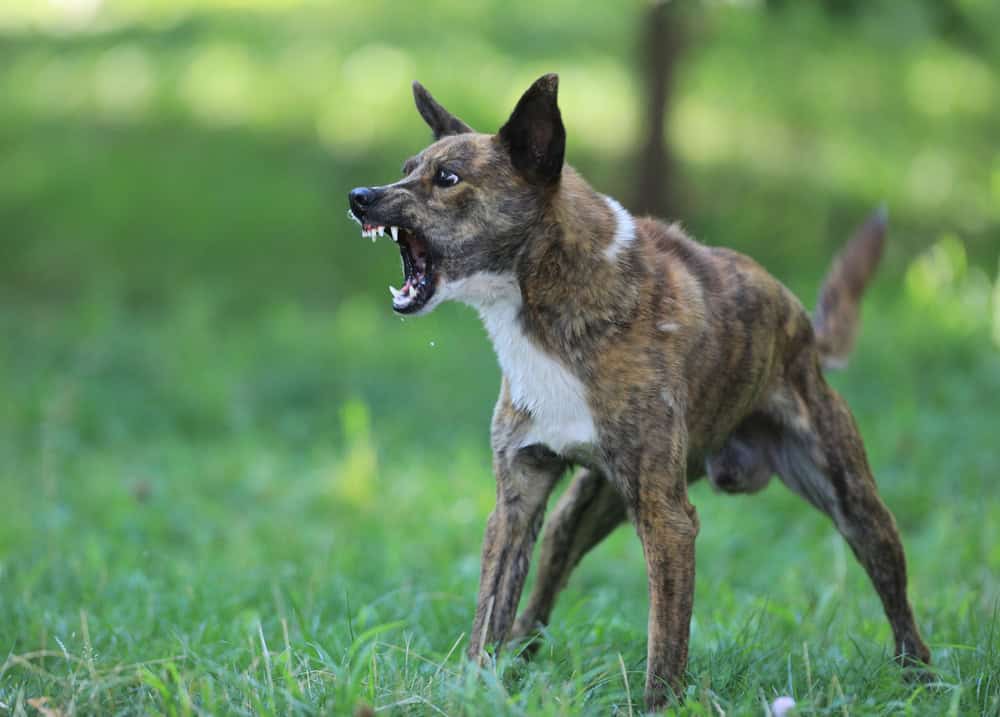
Aggression is different in origin. Aggression in dogs typically stems from fear, lack of socialization, or the protection of resources. An aggressive dog is in a fight-or-flight state when it encounters another being.
This is a key distinction. The aggressive dog is reacting to a perceived threat, not a hunting opportunity. The dog may growl, snap, or lunge, but the motivation is defensive, not predatory.
Signs of aggression often include stiff body posture, a hard stare, raised hackles, and a low growl. These are warning signals, not hunting behaviors.
Key Differences Between Prey Drive and Aggression
Both behaviors can end in injury. Both require management. But their causes, triggers, and solutions are not the same.
- Root Cause:
- Prey Drive: Hunting instinct
- Aggression: Fear, stress, or resource protection
- Trigger:
- Prey Drive: Movement
- Aggression: Perceived threat
- Dog’s State:
- Prey Drive: Focused, aroused
- Aggression: Defensive, reactive
- Motivation:
- Prey Drive: To chase and catch
- Aggression: To neutralize a threat
One more thing worth noting: a high prey drive dog is not inherently safer than an aggressive dog. As Marques points out, both cases show a dog that relates to other beings with a fight-or-flight state of mind. That is the real concern, regardless of the label.
Building Trust to Manage Both Behaviors
The foundation of managing both a dog’s prey drive and a dog’s aggression is the same: trust. A dog that cannot relax around other living beings is, as Marques puts it, “an accident waiting to happen.”
Building trust starts with practicing calmness around food, toys, and everyday objects. Once a dog learns to control its impulses around inanimate things, it becomes easier to apply that self-control around living beings.
Muzzle conditioning is another valuable tool. A basket-style muzzle allows a dog to pant, eat, and drink normally, while giving the owner room to work without fear of a serious incident. Over time, a conditioned muzzle can actually help the dog feel more secure and help the owner stay calm, which dogs notice.
Calm, consistent interactions are the cornerstone. Dogs do not grow out of these behaviors on their own.
Managing Both Behaviors Effectively
Working with a qualified trainer is strongly recommended for dogs showing either high prey drive or aggression. Behavior modification takes time, repetition, and patience.
Alongside training, supporting your dog’s physical calm matters too. Gladiator K-Nine’s far infrared therapy collar uses patented SemiCera® technology to promote relaxation by activating far-infrared ceramics through the dog’s natural body heat. The collar helps ease muscle tension, improve inhibitory response, and support calmer behavior during training. It requires no power supply and can be used in everyday situations, including walks, travel, and during anxiety-inducing events.
Shop the Gladiator K-Nine Collar here
Frequently Asked Questions
What is the main difference between prey drive and aggression in dogs?
Prey drive is a hunting instinct triggered by movement, such as a running animal or fast-moving object. Aggression is a defensive response rooted in fear, stress, or resource protection. A dog with high prey drive is not inherently aggressive, but both behaviors can result in injury and require careful management.
Can a dog have both prey drive and aggression?
Yes. A dog can display both behaviors in different contexts. Prey drive may activate around moving animals, while aggression may surface in situations involving resource guarding or unfamiliar dogs. Each behavior should be assessed and addressed separately.
Is a high prey drive dog more dangerous than an aggressive dog?
Not necessarily. A high prey drive dog is not safer than an aggressive dog. Both involve a dog that is in a heightened, reactive state around other beings, which carries real risk regardless of the underlying cause.
How can I reduce my dog’s prey drive or aggressive behavior?
Start by building trust through calm interactions around food, toys, and everyday objects. Muzzle conditioning can create a safer training environment for both dog and owner. Working with a qualified trainer is strongly recommended. Supportive tools, such as the Gladiator K-Nine far infrared therapy collar, can also help promote relaxation during the training process.
Will my dog grow out of high prey drive or aggression on its own?
No. Dogs will not learn to accept or ignore other living beings unless they are actively taught how to remain calm around them. These behaviors require intentional training and consistent reinforcement over time.