July 29, 2026
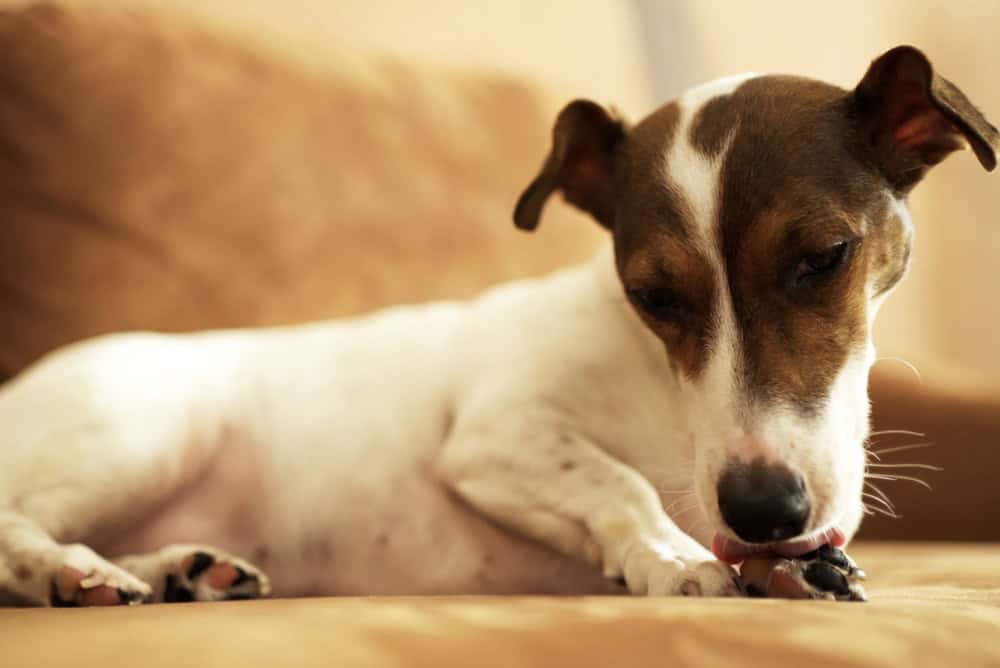
Why Do Dogs Lick Their Paws? Causes & Solutions
Quick answer: Dogs lick their paws for many reasons, including grooming, allergies, pain, infections, parasites, and anxiety. While occasional licking is normal, frequent or intense paw licking usually points to an underlying problem that needs attention.
Most dogs lick their paws from time to time; it’s a normal part of how they groom themselves. But when that licking becomes constant or obsessive, it’s worth paying closer attention. Excessive paw licking is one of the most common reasons dog owners seek veterinary advice, and the causes range from something as simple as a splinter to something as complex as a food allergy or anxiety disorder.
Understanding why your dog is licking their paws is the first step toward helping them feel better.
Why Do Dogs Lick Their Paws? The Most Common Causes
1. Allergies: Environmental and Food Triggers
Allergies are one of the leading causes of itchy dog paws. Environmental allergens like pollen, grass, and dust can settle on your dog’s paws during walks, triggering irritation and persistent licking. Food allergies, though less common, can also cause inflamed, itchy skin around the paws and other areas of the body.
A simple but effective habit: rinse your dog’s paws with a damp cloth after outdoor walks to remove allergens before they cause a reaction.
2. Pain or Injury: Hidden Discomfort
A sudden onset of paw licking often signals physical discomfort. Small cuts, thorns, broken nails, or insect stings can all cause a dog to focus intensely on one paw. Check carefully between the toes and under the paw pads. These areas are easy to miss but are common spots for hidden injuries.
3. Infections: Bacterial and Yeast Growth
Here’s the cycle that many dog owners don’t realize: constant licking creates a warm, moist environment that’s ideal for bacteria and yeast to thrive. This means that licking originally triggered by irritation can actually worsen the problem by introducing an infection.
Signs of an infection include:
- Redness or swelling between the toes
- Hair loss around the paws
- A musty or unusual odor
- Discoloration of the fur (often brown or rust-colored)
If you notice any of these signs, consult a veterinarian for proper diagnosis and treatment.
4. Parasites: Unwanted Guests
Fleas, ticks, and mites frequently bite around the feet and ankles, causing intense itching that sends dogs straight to licking. Keeping your dog up to date on flea, tick, and mite prevention is one of the simplest ways to rule out parasites as a cause.
5. Anxiety or Boredom: Behavioral Causes
Not all paw licking has a physical origin. Dogs that are anxious, stressed, or under-stimulated may lick repetitively as a way to self-soothe. This behavioral pattern can become habitual over time, making it harder to address the longer it goes unmanaged.
Practical steps to help include increasing your dog’s daily exercise, introducing puzzle toys to provide mental stimulation, and identifying any environmental stressors that may be triggering the behavior.
When Should You Take Your Dog to the Vet?
Occasional paw licking rarely warrants concern. However, you should consult a veterinarian if:
- The licking is persistent or intensifying
- You notice visible injury, swelling, or discharge
- There are signs of infection (odor, redness, hair loss)
- Your dog is limping or showing signs of pain
- Behavioral interventions haven’t reduced the licking
Early intervention prevents minor issues from becoming more serious and more expensive problems down the line.
How Gladiator K-Nine Can Help Calm Your Dog
If anxiety or boredom is behind your dog’s paw licking, addressing the root cause is essential. Gladiator K-Nine’s far infrared collars are designed to help calm and train dogs naturally, making them a valuable tool for pet owners dealing with stress-related behaviors like repetitive licking.
Ready to help your dog feel calmer and more settled? Explore Gladiator K-Nine’s far infrared collars and discover how they can support your dog’s wellbeing.
Understand the Cause, Find the Solution
Paw licking is your dog’s way of communicating that something isn’t quite right. Whether the trigger is an allergen picked up on a morning walk, a hidden thorn between the toes, or stress from a change in routine, paying attention to when and how often your dog licks their paws gives you the information you need to help them.
Observe the pattern, rule out the common causes, and don’t hesitate to bring in a vet when the behavior persists. Your dog’s comfort depends on it.
Frequently Asked Questions
Why does my dog lick their paws at night?
Nighttime paw licking is often linked to anxiety, boredom, or allergies. With fewer distractions, dogs are more likely to engage in repetitive self-soothing behaviors. If it’s happening consistently, consult a vet to rule out physical causes.
Is it normal for dogs to lick their paws every day?
Some daily licking is normal grooming behavior. However, if your dog is licking the same paw repeatedly, licking until the fur is discolored, or showing signs of irritation, it’s worth investigating the cause.
What can I put on my dog’s paws to stop licking?
Consult a veterinarian before applying any topical treatment. Depending on the cause, a vet may recommend medicated wipes, antifungal creams, or antihistamines. Avoid using human products without veterinary guidance.
Can food allergies really cause paw licking in dogs?
Yes. Food allergies can cause systemic inflammation that shows up as itchy, irritated skin, including around the paws. Common culprits include beef, chicken, dairy, and wheat. An elimination diet, guided by a vet, can help identify the trigger.
How do I know if my dog’s paw licking is anxiety-related?
Anxiety-related licking tends to occur in situations of stress, like thunderstorms, being left alone, or changes in routine. It often affects multiple paws and may be accompanied by other anxious behaviors like pacing or whining.
- Tags:
- dog itching,
- dog paws,
- dog therapy,
- dogs,
- knine