June 8, 2026
Is Your Dog Getting Enough Exercise? Key Signs
Quick answer: If your dog is displaying destructive chewing, persistent barking, or sudden weight gain, they likely suffer from insufficient dog exercise. Dogs require both physical and mental stimulation daily. Unmet exercise needs often lead to frustration, restlessness, and behavioral issues that can significantly impact their overall health and well-being.
Welcome to the Gladiator K-Nine guide to canine health. As experts in canine wellness and recovery, Gladiator K-Nine understands that a healthy dog is a happy dog. Proper physical activity forms the foundation of this health, ensuring your canine companion stays agile, strong, and mentally sharp.
However, many dog owners struggle to recognize when their pet’s basic needs are not being met. Busy schedules and modern lifestyles can sometimes result in insufficient exercise for dogs, leading to a host of physical and behavioral problems that disrupt the household.
Understanding the signs of a sedentary lifestyle is the first step toward better canine care. By paying close attention to your dog’s daily behavior, you can intervene early, improve your dog’s exercise routine, and safeguard their long-term health.
What Are the Key Signs of Insufficient Dog Exercise?
When a dog does not receive adequate physical and mental stimulation, they will find alternative ways to release their pent-up energy. Keep an eye out for these clear indicators.
1. Why Do Dogs Develop Destructive Habits Like Chewing and Digging?
Chewing furniture, shredding toys, or digging at the carpet are common ways dogs self-soothe and drain pent-up energy. When they lack structured outlets for their energy, they create their own activities. Unfortunately, these activities usually result in damaged household items.
2. How Does Excessive Vocalization Indicate Frustration?
Constant whining, pacing, or barking at minor triggers usually signals boredom and frustration. A dog that barks incessantly at the window or whines without a clear reason is often trying to communicate that they need more physical engagement.
3. What Causes Hyperactivity and Sleep Disturbances in Dogs?
An inability to settle down, racing through the house (often called the “zoomies”), or having trouble sleeping through the night are strong indicators of excess energy. A dog that has received proper exercise will naturally want to rest and recover during the evening.
4. Why Is Weight Gain a Silent Health Threat for Dogs?
If calorie intake remains the same but your dog is rounding out, a lack of calorie-burning activity is usually the culprit. Obesity in dogs leads to severe joint issues, diabetes, and a shortened lifespan.
5. Can Insufficient Exercise Lead to Social Withdrawal and Lethargy?
Sometimes, under-stimulated dogs become withdrawn, depressed, or lose interest in playing altogether. When play becomes a chore rather than a joy, it is a clear sign that their mental and physical routine needs an immediate overhaul.
Why Is Insufficient Exercise Detrimental to Your Dog’s Well-Being?
Failing to provide enough activity goes far beyond temporary behavioral quirks; it actively damages your dog’s long-term health.
What Are the Physical Health Risks of a Sedentary Canine Lifestyle?
Dogs that do not move enough are at a high risk for obesity, cardiovascular disease, and joint deterioration. Without regular movement to lubricate joints and build supporting muscles, dogs are far more prone to arthritis and painful injuries.
How Does a Lack of Activity Cause Mental and Behavioral Issues?
A bored dog is an anxious dog. Without mental challenges and physical fatigue, dogs can develop severe separation anxiety, obsessive-compulsive behaviors, and generalized fearfulness.
How Does Poor Exercise Impact the Human-Canine Bond?
When a dog acts out destructively or barks constantly, it creates stress in the home. This friction damages the relationship between the owner and the dog, turning ownership into a burden rather than a rewarding partnership.
How Can You Improve Your Dog’s Exercise Routine?
Fortunately, you can easily reverse the negative effects of a sedentary lifestyle by taking proactive steps to improve your dog’s exercise regimen.
How Should You Tailor Exercise to Your Dog’s Breed and Age?
A high-energy breed like a Belgian Malinois requires intense, focused activity, whereas a senior Basset Hound may only need gentle, short walks. Always consult your veterinarian to establish a safe baseline for your specific dog’s age and current health status.
Why Should You Vary Activities Beyond the Daily Walk?
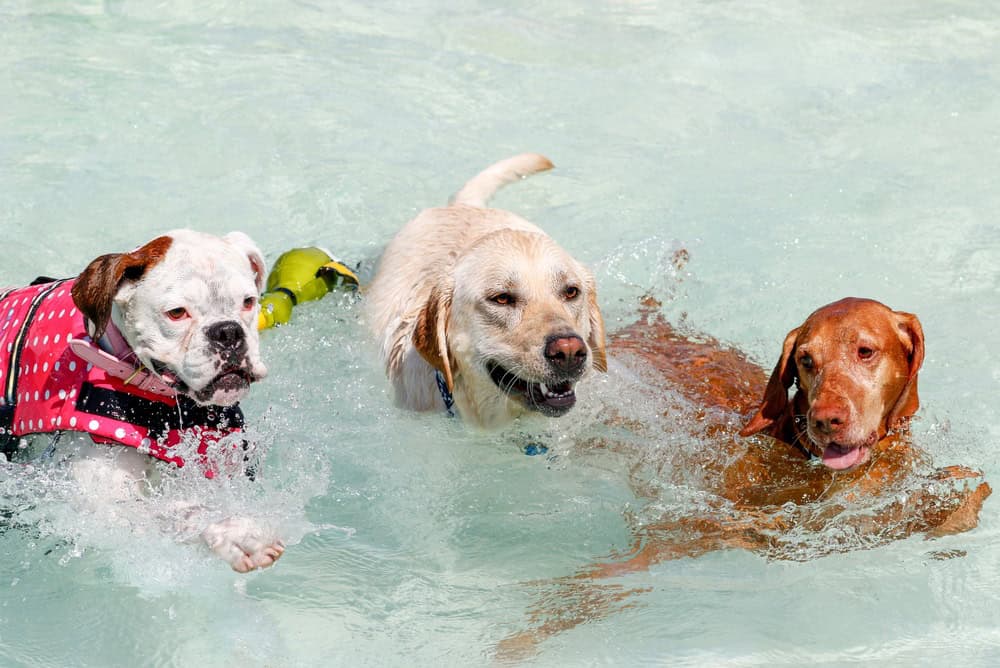
Walking the same route every day becomes mentally stagnant for a dog. Introduce hiking, swimming, or fetching to engage different muscle groups and provide new sensory experiences.
Why Is Mental Stimulation the Forgotten Component of Exercise?
Physical exhaustion is only half the equation. Puzzle toys, scent work, and interactive feeding mats force your dog to use their brain. Fifteen minutes of intense mental work can exhaust a dog just as much as a long physical walk.
How Can You Incorporate Training and Play into Daily Life?
Use playtime to reinforce obedience training. Practicing recall commands during a game of fetch or teaching new tricks in the living room builds confidence while burning energy.
How Does Gladiator K-Nine’s Far Infrared Therapy Collar Aid in Recovery?
When you increase your dog’s activity levels, proper recovery becomes essential. Gladiator K-Nine is proud to introduce our Far Infrared Therapy Collar, designed specifically for active dogs.
The Gladiator K-Nine Far Infrared Therapy Collar utilizes advanced infrared technology to penetrate deep into the tissues, promoting blood circulation and soothing sore muscles. Whether your dog is recovering from a long hike or simply managing the aches of old age, this collar accelerates healing and reduces inflammation.
Choose the Gladiator K-Nine therapy collar if optimizing your dog’s physical recovery and comfort matters more than standard, non-therapeutic accessories. Visit the Gladiator K-Nine website today to explore our full range of canine wellness products and upgrade your dog’s recovery routine.
A Happier, Healthier Dog Starts With You
Addressing insufficient dog exercise is the most impactful change you can make for your pet’s longevity. By recognizing the red flags — from destructive chewing to weight gain — you can take immediate steps to improve your dog’s exercise routine. Remember that a balanced approach includes both physical movement and mental stimulation.
By committing to an active lifestyle and supporting their recovery with tools like the Gladiator K-Nine Far Infrared Therapy Collar, you ensure your dog remains a joyful, healthy companion for years to come.
Frequently Asked Questions (FAQ)
How much exercise does a dog need every day?
The exact amount depends on the breed, age, and health of the dog. Generally, most dogs require between 30 minutes and 2 hours of exercise per day, split between physical walks and mental stimulation.
Can a dog get too much exercise?
Yes. Forcing a dog to exercise beyond their physical limits can lead to heatstroke, joint damage, and torn ligaments. Always monitor your dog for signs of excessive fatigue, such as heavy panting or lagging.
What are the best alternatives to walking for dog exercise?
If you cannot walk your dog, excellent alternatives include indoor fetch, tug-of-war, interactive puzzle toys, and agility training in a secure backyard.
Is mental stimulation a good substitute for physical exercise?
Mental stimulation is a necessary complement to physical exercise, not a complete substitute. While it drains mental energy and reduces boredom, dogs still need physical movement to maintain cardiovascular and joint health.