April 20, 2026
Is Your Dog Overweight? How to Tell and What to Do
Canine obesity has become one of the most pressing health issues facing our pets. As pet owners, we naturally want to spoil our furry companions, often expressing our love through extra treats and larger meal portions. However, this well-intentioned affection can lead to significant health complications, reducing a dog’s quality of life and lifespan.
Maintaining a healthy weight is essential for your dog’s joint health, cardiovascular function, and overall vitality. An overweight dog faces a much higher risk of developing conditions like diabetes, arthritis, and respiratory issues. Recognizing the signs early is the most effective way to prevent these long-term health problems.
At Gladiator K-Nine, we are dedicated to providing pet owners with the knowledge and tools necessary to keep their dogs in peak physical condition. This comprehensive guide will help you determine if your dog is carrying excess weight and provide an actionable plan to help them get back to their optimal health.
How to Tell If Your Dog Is Overweight
Understanding the difference between a few extra pounds and clinical obesity is the first step in addressing your dog’s health. An overweight dog is generally defined as being 10% to 20% above their ideal body weight. When a dog exceeds their ideal weight by more than 20%, they are classified as obese.
At-Home Assessment Techniques
You do not necessarily need a veterinary scale to perform an initial weight check. You can easily evaluate your dog’s physical condition at home using three simple methods.
- The Rib Test: Run your hands gently along your dog’s sides. In a healthy dog, you should be able to feel each rib easily beneath a thin layer of fat. If you have to press firmly through a thick layer of fat to locate their ribs, your dog is likely carrying excess weight.
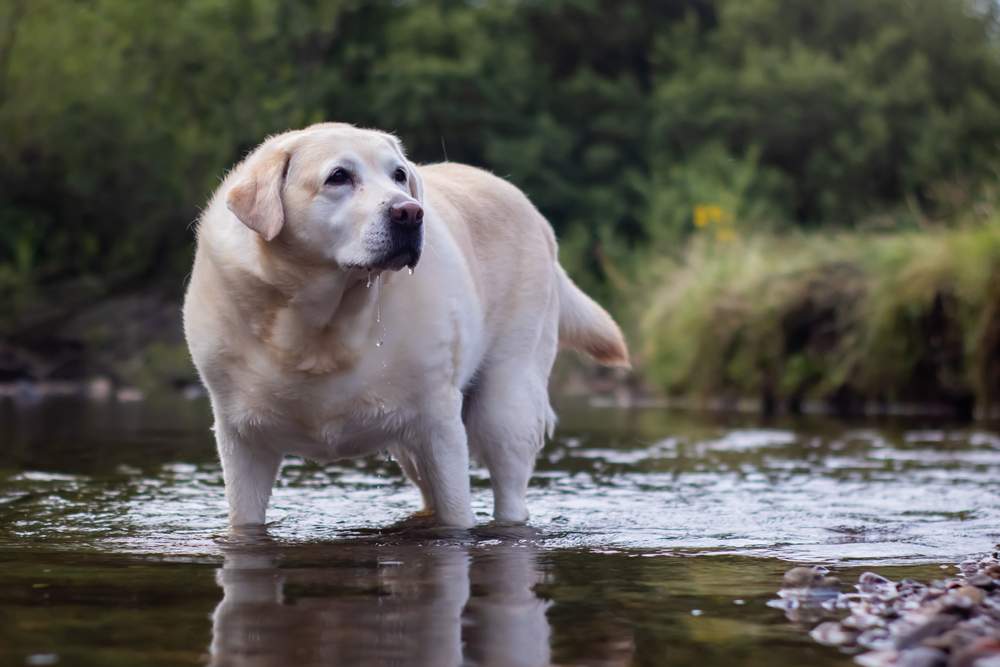
- The Waist Check: Look down at your dog while they are standing in a natural position. You should observe a noticeable waistline curving inward just behind their ribs and in front of their hips. An overweight dog will often look round, oval-shaped, or have a broad, flat back without any distinct tapering.
- The Profile View (Abdominal Tuck): View your dog from the side to look for an “abdominal tuck.” A healthy dog’s belly should slope upward from the bottom of the ribcage toward the hind legs. A flat or sagging belly that hangs down is a clear indicator of excessive weight.
Physical & Behavioral Signs
Weight gain often manifests in a dog’s daily behavior. Overweight dogs may show a distinct reluctance to engage in physical activities. You might notice them moving more slowly on walks, taking more frequent naps throughout the day, or panting heavily after minimal exertion.
Professional Vet Evaluation: Body Condition Score (BCS)
For a definitive assessment, veterinarians use the Body Condition Score (BCS) system. This scale ranges from 1 to 9. A score of 4 or 5 is considered ideal. A dog scoring 6 or 7 is classified as overweight, while a score of 8 or 9 indicates obesity. Your vet can provide an accurate BCS and determine your dog’s target weight.
What to Do About It: A Comprehensive Plan
If your assessment indicates that your dog is overweight, immediate action is necessary. Implementing a structured weight loss plan requires commitment, but the results are highly rewarding.
1. Veterinary Consultation and Medical Check-up
Before making any drastic changes to your dog’s lifestyle, schedule a veterinary checkup. It is crucial to ensure that the weight gain is not caused by underlying medical conditions, such as hypothyroidism or Cushing’s disease. Your vet can also help you determine a safe rate of weight loss.
2. Dietary Adjustments
Diet plays the most significant role in weight management. Modifying how and what you feed your dog will yield the most noticeable results.
Measured Food Portions vs. Free-Feeding
Stop the practice of “free-feeding,” which involves leaving a bowl of food out all day. Instead, establish scheduled meal times. Use a standard measuring cup to ensure you are feeding the exact portion recommended for your dog’s target weight, not their current weight.
Switching to Weight Management Food
Ask your veterinarian about transitioning to a weight management dog food. These formulas are typically high in protein and fiber while being low in calories. This specific balance helps your dog feel full and satisfied without consuming excess calories.
Smart Treat Management (Healthy Alternatives)
Treats should never exceed 10% of your dog’s daily caloric intake. Reduce the number of commercial treats and replace them with healthy, low-calorie alternatives. Baby carrots, green beans, and cucumber slices make excellent snacks that dogs genuinely enjoy.
3. Increasing Activity Levels
A proper diet must be paired with an appropriate amount of physical activity. Implementing a consistent routine of exercise for dogs will burn calories and build essential muscle mass.
Gradual Increase in Exercise
Start slowly to avoid injury or exhaustion, especially if your dog is heavily overweight. Gradually add 10 to 15 minutes to your daily walks. Pay close attention to your dog’s breathing and stamina, allowing them to rest if they begin to pant excessively.
Engaging Games and Activities
Incorporate engaging activities that encourage movement. Games like fetch, hide-and-seek, or swimming are excellent ways to increase your dog’s heart rate without putting undue stress on their joints.
Interactive Toys and Slow Feeders
Make mealtime part of your dog’s physical activity. Use food-puzzlers, treat-dispensing toys, or snuffle mats. These tools require your dog to work for their food, encouraging slow eating and providing valuable mental and physical stimulation.
4. Gladiator K-Nine’s Far Infrared Dog Collars
As you increase the amount of exercise for dogs in your household, supporting their recovery and joint health becomes paramount. Gladiator K-Nine’s far infrared dog collars are designed to aid in this process.
The far infrared technology promotes better blood circulation, which can help soothe sore muscles and support joint mobility after increased physical activity. Keeping your dog comfortable is essential for maintaining their motivation to stay active.
Helping Your Best Friend Thrive
Addressing an overweight dog requires a combination of honest assessment, dietary discipline, and regular exercise. By utilizing the rib test, measuring food portions accurately, and gradually increasing their daily activity, you can safely guide your dog back to their ideal weight.
Remember that weight loss is a marathon, not a sprint. Celebrate the small victories along the way, such as a slightly longer walk or a visible improvement in their waistline. Your dedication to their health will result in a happier, more energetic companion.
Are you ready to support your dog’s active lifestyle and recovery? Explore Gladiator K-Nine’s far infrared dog collars today and give your pet the advanced support they deserve on their weight loss journey.
- Tags:
- canine,
- dogs,
- health problems,
- obesity,
- overwight