April 1, 2026
Decoding Your Dog’s Silent Body Language
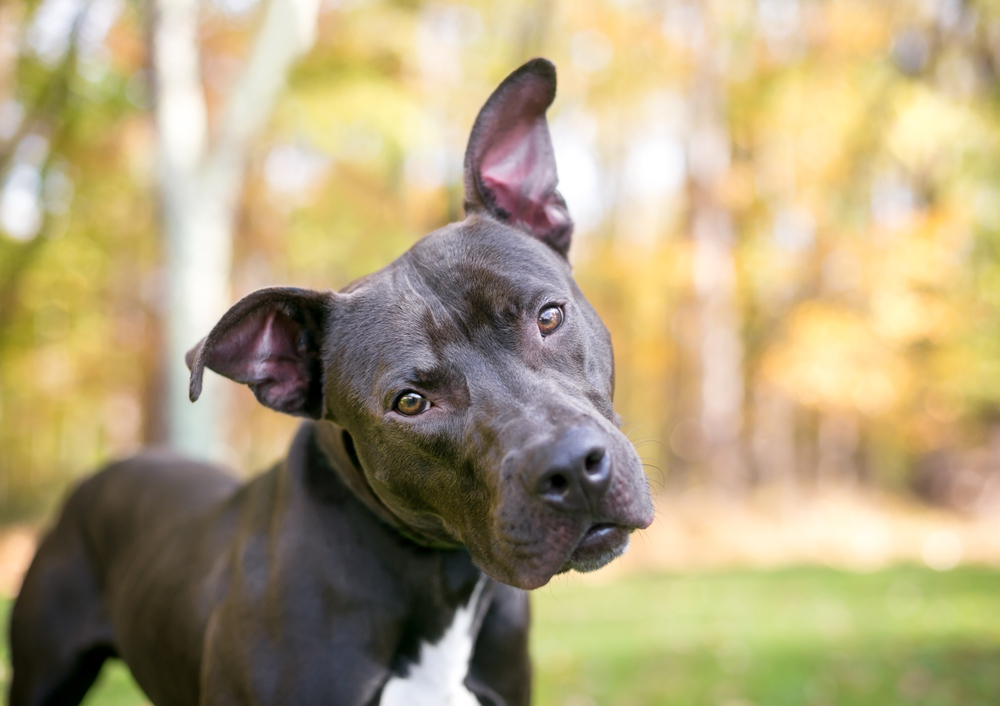
Dogs communicate constantly, but they do not use words. As a pet owner, understanding these silent signals ensures a safe, happy, and harmonious home. Gladiator K-Nine presents this comprehensive guide to help you interpret your dog’s subtle movements and expressions.
By paying close attention to their posture, eyes, and tail, you will learn exactly what your pet is feeling at any given moment. Recognizing these cues is the foundation of responsible and compassionate pet ownership.
The Fundamentals
Knowing how to read dog body language prevents misunderstandings between you and your pet. Canine body language is a complex system of physical cues that reveal emotional states. Mastering this silent language is essential for a safe environment. Recognizing these signals allows you to address stress before it escalates into aggression or panic.
Furthermore, understanding your dog’s baseline behavior helps you identify when something is wrong. A sudden change in posture or expression can be the first sign of an underlying health issue or environmental stressor. By studying canine body language, you empower yourself to act as your dog’s best advocate, ensuring they feel secure and understood in every situation.
Deciphering the Signs
Dogs utilize their entire bodies to broadcast their emotions. Learning to categorize these movements will help you respond appropriately to your pet’s current state of mind.
1. Happiness and Playfulness
A happy dog is easy to spot once you know what to look for. They generally have a relaxed, loose body. You will often see them wiggling when you approach, displaying a physical looseness that radiates comfort. Soft eyes and a slightly open mouth accompany a gently wagging tail.
When a dog wants to engage in fun, they will perform the iconic play bow. This involves dropping their front legs to the ground while keeping their rear end elevated in the air. It is a universal canine invitation for playtime.
2. Stress and Anxiety
Dogs show stress through subtle cues that humans often misinterpret or overlook entirely. Yawning when they are not tired is a primary indicator of anxiety. You might also notice frequent lip licking, sudden shaking, or heavy panting in a temperature-controlled room.
Another critical sign is the “whale eye.” This occurs when a dog turns their head slightly away but keeps their eyes fixed on a subject, making the white portion of their eyes clearly visible. Recognizing these early warning signs allows you to remove your dog from stressful situations promptly.
3. Fear and Insecurity
When a dog is afraid, their instinct is to protect themselves. A fearful dog tries to make themselves look as small as possible. Trembling and crouching are common physical reactions to scary stimuli. You will often see their ears pinned back flat against their head, minimizing their profile.
A tucked tail pulling tightly against their stomach and an active desire to hide behind you or under furniture signal deep insecurity. Responding with patience and giving them space is crucial during these moments.
4. Alertness and Aggression
Recognizing a potential conflict early keeps everyone safe. An alert or aggressive dog displays a stiff, frozen posture, appearing completely rigid. Their tail usually stands high and may twitch rapidly. A direct, hard stare is a clear warning to back away.
Additionally, raised hackles — the fur standing up along their back and shoulders — indicate high arousal and mean you should proceed with extreme caution. Never force interaction with a dog displaying these signals.
Focused Observation
Breaking down canine body language into specific anatomical zones makes interpretation much easier for owners. Pay close attention to these three areas to gauge your dog’s mood accurately.
- Eyes: “Hard eyes” or an unblinking, intense stare indicate a threat or severe stress. Soft, squinty eyes suggest your dog is completely at ease and trusts their surroundings.
- Mouth: A tightly closed, tense mouth points to unease and hyper-focus. Conversely, an open mouth with a visible, relaxed tongue looks almost like a smile and indicates absolute contentment.
- Tail: Tail position speaks volumes about arousal levels. A high, stiff tail shows high alertness. A low or tucked tail indicates fear or submission. A neutral, sweeping wag generally means a relaxed state.
Enhancing Comfort
Even with the best communication, dogs sometimes experience environmental stress. Gladiator K-Nine’s therapeutic dog collars offer a practical solution for anxious pets. These collars are explicitly designed to support a stressed dog’s well-being, promoting a sense of calm during thunderstorms, travel, or encounters with new animals.
By combining our therapeutic collars with a solid understanding of dog body language, you can significantly reduce your pet’s anxiety levels. Check out Gladiator K-Nine’s therapeutic dog collars today to give your pet the comfort they deserve.
- Tags:
- body language,
- canine,
- dog,
- pet owner