January 30, 2026
Is Bath Time a Nightmare? How to Wash Your Dog Stress-Free
At Gladiator K-Nine, we understand that your dog isn’t just a pet; they are a partner, a protector, and a beloved member of the family. We specialize in dog care that prioritizes their physical and emotional well-being. However, even the bravest dogs can turn into trembling bundles of nerves when they hear the bathwater running.
For many owners, bathing their dog is a chore filled with anxiety for both parties. There is the struggle to get them into the tub, the desperate clawing to get out, and the inevitable “wet dog shake” that soaks the entire bathroom. But hygiene is non-negotiable, especially for active dogs who love the outdoors.
The goal isn’t just to get them clean; it is to ensure the process doesn’t stress your dog out. With the right preparation and a few expert techniques, you can turn bath time from a battle of wills into a bonding experience.
Preparation is Key
If you grab your dog and force them into the tub immediately, you are setting yourself up for failure. A successful, low-stress bath starts long before the water turns on. By taking the time to prep your dog and the environment, you remove many of the triggers that cause panic.
The Pre-Bath Workout
A dog with excess energy is a dog that is ready to panic. Before you even reach for the shampoo, take your dog for a long walk or an intense play session. The goal is to tire them out physically. When a dog is slightly fatigued, they have less energy to resist and are generally more compliant. A tired dog is a calm dog, making the transition to the bathroom much smoother.
Brushing is a MUST
Never skip the brush-out. Water acts like a tightening agent for fur. If your dog has minor tangles or mats, getting them wet will cause them to contract and pull tight against the skin. This can be incredibly painful for your dog and make brushing them out later nearly impossible. By removing loose fur and tangles beforehand, you ensure the shampoo reaches the skin, and the bathing process is pain-free.
Create a Calm Environment
The bathroom can be a scary place for a dog. It is often loud, echoing, and full of slippery surfaces. To combat this, you need to modify the space:
- Traction is Everything: The number one reason dogs panic in the tub is a lack of footing. Standing on a slippery porcelain or acrylic surface makes them feel insecure and vulnerable. Place a rubber non-slip mat or even a thick towel at the bottom of the tub. When your dog feels stable, their anxiety levels drop significantly.
- Check the Temperature: Your dog’s skin is sensitive. Water that feels “warm” to your hand might be uncomfortably hot for them. Aim for lukewarm water. It should feel neutral to the touch — neither hot nor cold.
- The Power of Distraction: Food is a powerful motivator. Use a silicone lick mat with suction cups to stick to the wall of the tub or shower. Smear it with high-value treats like peanut butter (ensure it is xylitol-free) or plain yogurt. This keeps their head up and their focus on the treat rather than the scrubbing.
The Bathing Process
Once you have prepared the environment, it is time to introduce the water. The method you use here can make or break the experience.
Introduce Water Slowly
Avoid turning on the faucet at full blast while the dog is in the tub. The sudden noise and rush of water can be terrifying. If possible, fill the tub with a few inches of water before bringing the dog in, or use a handheld sprayer.
A handheld sprayer is a vital tool for bathing your dog. It allows you to control the flow and direction of the water. Keep the sprayer head close to your dog’s coat. This minimizes the loud spraying noise and reduces the amount of splashing, which can startle them.
Gentle Communication
Your energy dictates your dog’s energy. If you are frustrated or rushing, your dog will sense it and become even more stressed.
- Throughout the bath, speak in a calm, praising voice.
- Tell them they are a “good boy” or “good girl” constantly.
- Keep your movements slow and deliberate.
- Avoid sudden jerks or loud noises.
- If you feel your own frustration rising, take a deep breath.
- Keep the bathing sessions short and efficient to minimize the duration of their stress.
The Washing Order Matters
There is a specific strategy to washing a dog that helps keep them calm: start with the body and end with the head.
When a dog’s head gets wet, their natural instinct is to shake to remove the water. This usually happens immediately. By focusing on the paws, legs, and torso first, you delay the inevitable shake. When it is time to wash the face, put the sprayer away.
Instead, use a damp washcloth to gently wipe around the eyes, nose, and ears. This prevents water from getting into sensitive areas, which is a common cause of panic.
Alternatives to Traditional Baths
Sometimes, a full bath just isn’t in the cards. Perhaps your dog is recovering from surgery, is extremely elderly, or has a phobia that you are still working on desensitizing. In these cases, there are effective alternatives.
Dry Shampoo and Waterless Foam
Waterless foam shampoos are excellent for spot cleaning or freshening up a coat between deep cleans. You simply massage the foam into their fur and towel it off. It lifts dirt and neutralizes odors without the trauma of a bathtub. This is a great way to keep your dog clean while working on their confidence.
Dog-Friendly Wipes
For muddy paws or a dirty muzzle, keeping a pack of high-quality grooming wipes near the door is a lifesaver. They allow you to address specific messes immediately without dragging the dog into the bathroom.
Post-Bath Care
The bath isn’t over when the water turns off. The drying process is just as important for a positive experience.
Drying Techniques
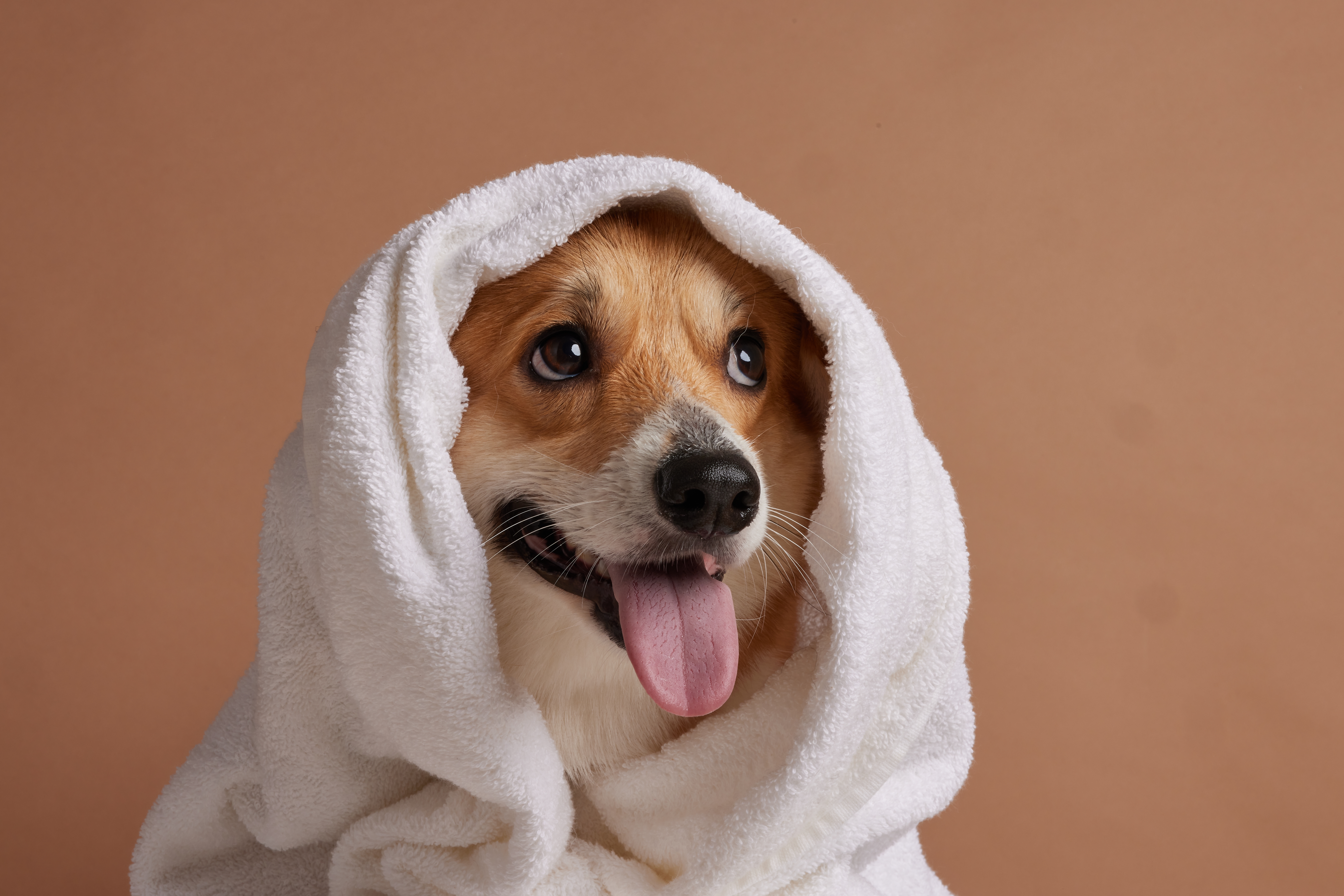
Have a large, absorbent towel ready the moment the water stops. Gently squeeze the water out of their fur rather than rubbing vigorously, which can cause tangles.
Be very cautious with hair dryers. The high-pitched whine of a dryer can undo all the calming work you just did. If you must use one, use a dryer specifically designed for dogs (which are quieter and cooler) or use the lowest heat and speed setting on your dryer. Keep the nozzle a safe distance away from their skin.
Positive Reinforcement
The moment the bath is finished, throw a party. Offer high-value treats, lots of affection, or their favorite toy. You want your dog to learn that enduring a bath leads to a massive reward. Over time, this positive reinforcement can change their association with the bathroom from one of fear to one of anticipation.
When to Seek Professional Help
Despite your best efforts, some dogs have deep-seated trauma regarding water or restraint. If bathing your dog results in extreme aggression, uncontrollable shaking that lasts for hours, or if they are so terrified that they risk injuring themselves trying to escape, it is time to stop.
Continuing to force a terrified dog into the tub will only worsen the phobia and damage your bond. In these instances, professional groomers are the best option. They have specialized equipment, secure environments, and the experience to handle fearful dogs safely and quickly.
Healing Solutions from Gladiator K-Nine
At Gladiator K-Nine, we know that an active dog is a happy dog, but activity can sometimes lead to bumps, scrapes, or skin irritations that need attention during grooming. If your dog is prone to skin issues or you are looking for gear that supports their recovery and comfort, we are here to help.
Check Gladiator K-Nine’s healing collar today to learn more about our healing collars and how we can support your dog’s journey to health and happiness.