February 18, 2026
A Checklist for Daily Dog Grooming
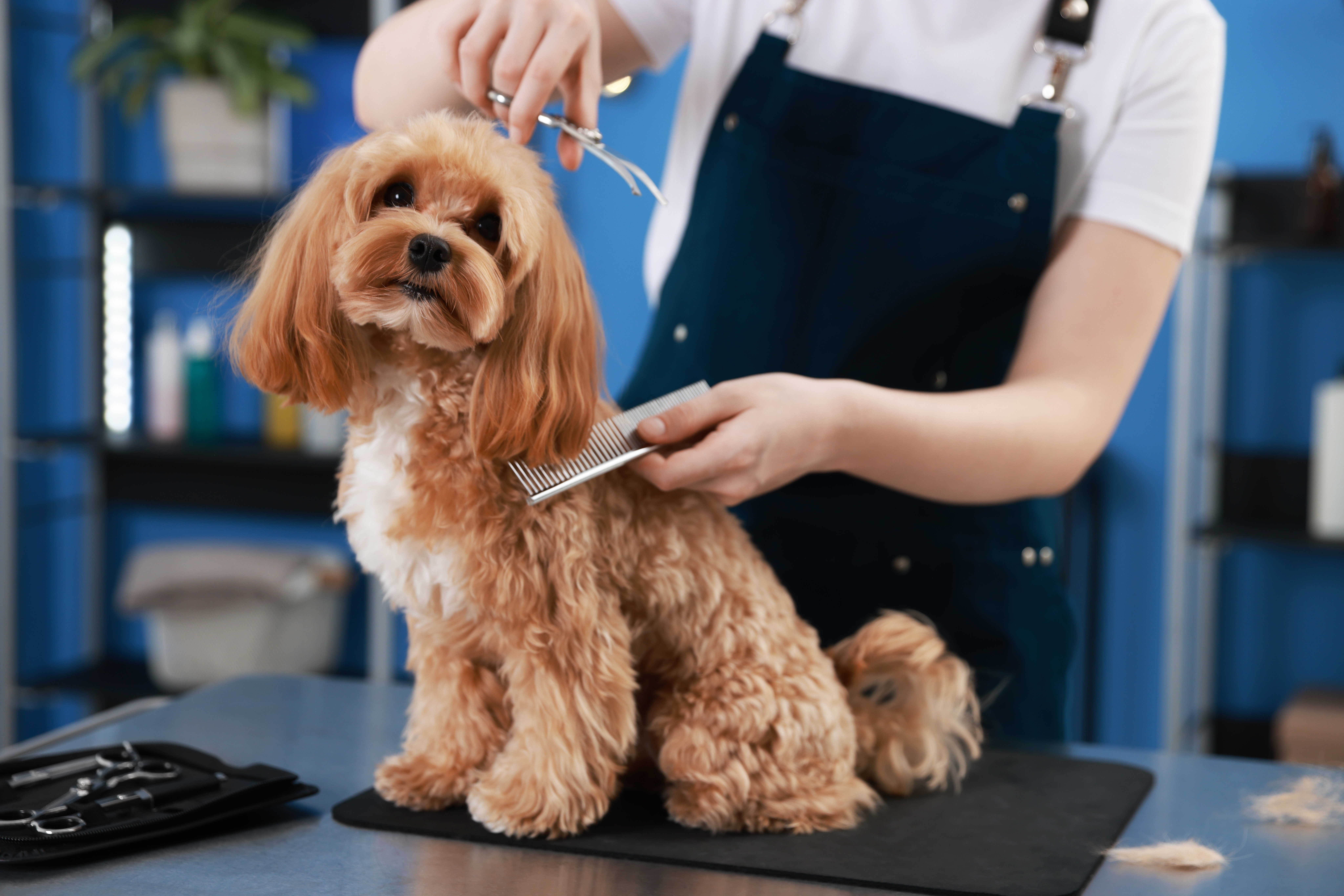
Many dog owners view grooming as a monthly chore or an expensive trip to the salon. While professional grooming has its place, establishing a daily routine at home is just as critical for your pet’s health. Regular dog grooming strengthens the bond between you and your canine companion while serving as an early warning system for potential health issues.
By dedicating just a few minutes each day to checking your dog’s coat, skin, eyes, and paws, you can prevent minor annoyances from becoming major veterinary problems. This proactive approach keeps your dog comfortable, clean, and happy. It also ensures that dirt, allergens, and parasites don’t make their way into your home.
Gladiator K-Nine provides a comprehensive daily home grooming checklist, ensuring you cover all the bases to maintain your dog’s optimal wellness.
The Essential At-Home Grooming Toolkit
Before you begin your daily routine, it is important to have the right tools on hand. Using the correct equipment makes the process efficient and comfortable for your dog.
- Slicker Brush or Comb: A slicker brush is excellent for removing loose fur and detangling mats in dogs with medium to long hair. For short-haired breeds, a rubber curry brush or a simple comb may suffice.
- Dog-Safe Wet Wipes: These are indispensable for quick cleanups. Use them to wipe down paws after a walk or to clean the face. Ensure they are free from harsh chemicals or fragrances that could irritate your dog’s skin.
- Flea Comb: This fine-toothed comb helps detect and remove fleas, dirt, and eggs. It is a vital tool, especially during warmer months when parasites are most active.
- Canine Toothbrush and Toothpaste: Never use human toothpaste, as it can be toxic to dogs. A toothbrush designed for dogs, or a finger brush, works best.
- Nail Clippers: While daily clipping isn’t necessary, having them in your kit allows you to address a snagged or overgrown nail immediately if noticed during your inspection.
Having these items readily available in a dedicated basket or drawer will make it easier to stick to your routine.
Step 1: Brushing Techniques to Prevent Mats
Daily brushing is the cornerstone of regular dog grooming. It removes dirt, debris, and loose hair, which helps to prevent painful mats and tangles from forming. Matting can trap moisture and bacteria against the skin, leading to infections, so prevention is key.
Start by brushing in the direction of hair growth. This is generally more comfortable for the dog and helps smooth the coat. Be gentle but thorough, ensuring you reach down to the skin, not just brushing the top layer of fur.
Pay extra attention to “trouble spots” where friction occurs, such as behind the ears, under the armpits (axillae), and around the tail. These areas are prone to tangles. If you encounter a mat, do not yank on it. Instead, use your fingers or a comb to gently tease it apart from the ends toward the skin.
Regular brushing also distributes natural oils throughout the coat, keeping it shiny and healthy. It reduces the amount of hair shed around your house, a benefit every dog owner can appreciate.
Step 2: Ear and Eye Care
Your dog’s ears and eyes are sensitive areas that require daily observation.
- Ear Check: Lift the ear flaps and look inside. The ears should be pink and odorless. If you see dark wax, redness, or smell a foul odor, these could be signs of an infection or ear mites. You can gently wipe the visible part of the ear with a dog-safe wipe or a cotton ball dampened with a vet-approved ear cleaner.
- Crucial Safety Note: Never insert cotton swabs or any object into the ear canal, as this can cause damage to the eardrum or push debris further in.
- Eye Wipe: Check your dog’s eyes for clarity and brightness. Use a damp cloth or a specialized eye wipe to gently clear away any discharge or “sleep” from the corners of the eyes. This is particularly important for breeds prone to tear stains or eye issues. If you notice persistent redness, cloudiness, or excessive tearing, consult your veterinarian.
Step 3: Paw and Skin Inspections
Dogs explore the world with their paws, making them susceptible to injury and debris accumulation.
- Paw Check: Inspect the paw pads for cuts, cracks, or blisters. Check between the toes for burrs, thorns, pebbles, or mud. Foreign objects lodged here can cause significant pain and infection. Wipe the paws clean after outdoor walks to remove allergens like pollen or grass, as well as any chemicals from sidewalks (like salt in the winter).
- Skin and Parasite Check: As you brush or pet your dog, run your hands through their coat to feel for any unusual lumps, bumps, or scabs. This tactile inspection is often the best way to find ticks, which can hide easily in dense fur. Check closely around the neck, head, and ears. Catching a tick early prevents the transmission of diseases like Lyme disease. If you find fleas or ticks, use your flea comb or a tick removal tool immediately.
Step 4: Dental Hygiene Basics
Dental disease is one of the most common health issues in dogs, but it is also one of the most preventable. While daily brushing is the gold standard, aiming for 2-3 times per week is a good starting point for dog grooming at home.
Lift your dog’s lip and inspect the teeth and gums. Gums should be pink, not red or swollen. Teeth should be free of heavy brown tartar buildup. A quick daily check allows you to spot broken teeth or inflammation early.
If your dog is resistant to brushing, start slowly. Let them taste the dog-safe toothpaste, then gradually introduce the brush. Dental chews and water additives can supplement brushing, but should not replace it entirely. Fresh breath is a pleasant side effect of good oral hygiene, but persistent bad breath can indicate underlying dental decay or gut issues.
Professional Tips for Success
Consistency is the secret to successful grooming. Here are a few professional tips to enhance your routine:
- Positive Reinforcement: Make grooming a positive experience. Use treats and praise to reward your dog for staying still. If they are anxious, keep sessions short and gradually increase the time.
- Good Lighting: Perform your checks in a well-lit area. Natural sunlight or a bright lamp helps you see fleas, ticks, or skin irritation that might be missed in dim light.
- Know Your Breed: Different breeds have different requirements. A Poodle requires different coat care than a Golden Retriever. Research your specific breed’s needs to tailor your toolkit and techniques.
- Monitor Changes: You know your dog better than anyone. If your dog suddenly becomes sensitive when you touch their ears or paws, investigate immediately. Changes in behavior during grooming are often the first sign of pain.
Support Your Dog’s Wellness with Gladiator K-Nine
While regular dog grooming maintains the exterior, overall wellness comes from a holistic approach. At Gladiator K-Nine, we believe in supporting your dog’s health from the inside out.
Our Gladiator K-Nine Far Infrared Collar is designed to promote circulation and reduce inflammation, supporting joint health and overall vitality. It’s the perfect complement to your daily care routine, ensuring your dog feels as good as they look.
Contact Gladiator K-Nine today to learn more about how our far infrared technology can support your dog’s active lifestyle. Let us help you keep your K-Nine champion in peak condition.
- Tags:
- canine,
- checklist,
- dogs,
- grooming,
- pet owners