January 2, 2026
How Do You Introduce Dogs to Cats? A Step-by-Step Guide
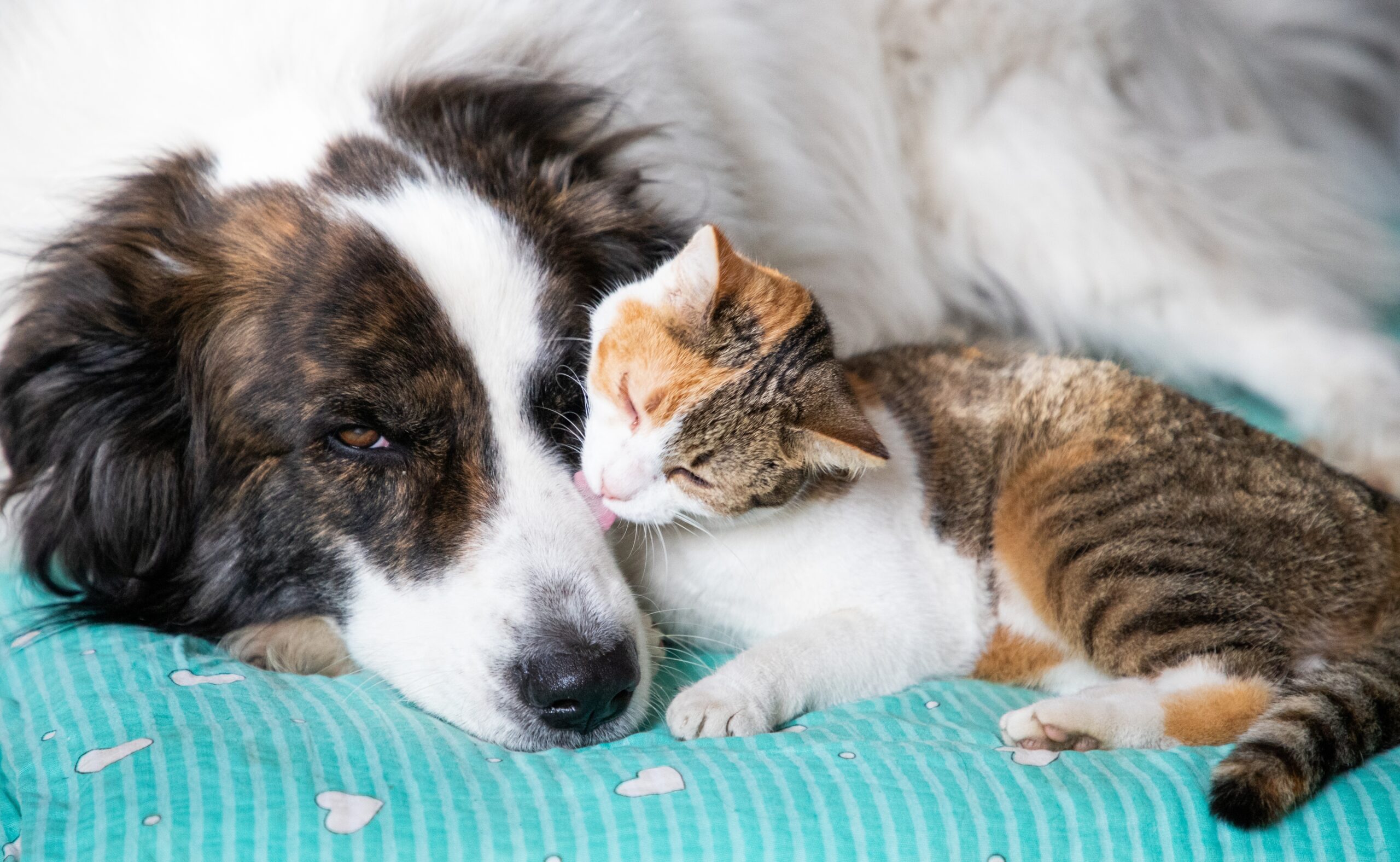
The age-old rivalry between cats and dogs is the stuff of cartoons and legends. But in reality, many dogs and cats live together in harmony — sometimes even becoming best friends. If you are bringing a new furry family member home, the introduction process is the most critical step in ensuring a peaceful household.
At Gladiator K-Nine, we understand that new environments and new roommates can be stressful for pets. Rushing the process often leads to fear, aggression, and long-term behavioral issues. However, with patience, strategy, and a calm approach, you can set your pets up for success.
Here is your guide to successfully introducing dogs to cats, ensuring everyone stays safe and happy.
Phase 1: Scent & Sound (Days 1-7)
The first rule of introducing dogs to cats is to avoid face-to-face meetings immediately. Your pets need to get used to the idea of each other before they actually meet.
Separate Spaces
When you first bring your new pet home, confine them to a specific “safe room” with their food, water, and litter box (if it’s a cat). This allows the resident pet to roam the rest of the house freely. They will hear and smell the new arrival through the door, which begins the acclimation process without the threat of physical contact.
Scent Swap
Animals rely heavily on their sense of smell. To help them get acquainted, exchange bedding, blankets, or towels between the two animals. Place the dog’s blanket in the cat’s room and vice versa. This “scent swap” familiarizes them with each other’s unique smell, making the eventual face-to-face meeting less shocking.
Barrier Sight & Sound
Once they seem curious rather than agitated by the scents, you can move to visual introductions. Use a baby gate or a glass door to let them see each other. Keep these sessions short and rewarding. If they remain calm, offer treats and praise. If either pet shows signs of stress, end the session and try again later.
Phase 2: Supervised Meetings (Weeks 1-2+)
After a week of sniffing and peeking through gates, you might be ready for a proper introduction. However, control is still the name of the game.
Leashed & Controlled
Never let the dog chase the cat. For the first few face-to-face meetings, keep the dog on a leash. Allow the cat to roam freely or stay behind a gate if they prefer. This ensures you can physically restrain the dog if they get too excited or aggressive, while the cat retains the ability to move away if they feel uncomfortable.
Positive Reinforcement
Food is a powerful motivator. During these interactions, give high-value treats to both pets for calm behavior. You want them to associate the presence of the other animal with good things (snacks!). If the dog looks at the cat and then looks back at you calmly, reward them immediately.
Watch Body Language
You must be the referee. Watch closely for signs of trouble. If you see hissing, growling, cowering, intense staring (fixation), or stiff posture, stop the session immediately. Do not punish the pets; simply separate them and try again later. If necessary, go back to Phase 1 for a few days.
Phase 3: Freedom & Supervision (Weeks 2+ to Months)
Patience is key here. Some pairs click in a week; others take months.
Gradual Freedom
Once both pets are consistently calm during leashed sessions, you can allow the dog to drag their leash around the house. This gives them more freedom but allows you to grab the leash quickly if control is needed. Keep these sessions supervised and relatively short initially, gradually increasing the time as they prove they can coexist peacefully.
Ensure Escape Routes
Cats need to feel safe. Ensure your home has “cat-only” zones where the dog cannot go. This includes high places like cat trees, shelves, or rooms blocked by baby gates with small cat doors. Knowing they have an escape route significantly lowers a cat’s stress levels.
Never Unsupervised
Do not leave dogs and cats alone together until you are 100% certain they are safe. This might take several months. It is always better to be safe than sorry. When you leave the house, separate them into different rooms or crates until you are confident their relationship is solid.
Patience Pays Off With Help From Gladiator K-Nine
Creating a harmonious multi-pet household doesn’t happen overnight. It requires time, observation, and a commitment to reducing stress for both animals. By taking it slow, you are building a foundation of trust that can last a lifetime.
If your dog is struggling with high energy or anxiety during this transition, consider using a tool designed to help them relax. The Gladiator K-Nine Healing Collar uses patented SemiCera® technology to minimize stress-induced behaviors like restlessness and aggression. It’s a safe, non-invasive way to take the edge off and help your dog focus on making a new friend.
- Tags:
- cats,
- dogs,
- introduction,
- pet owners